




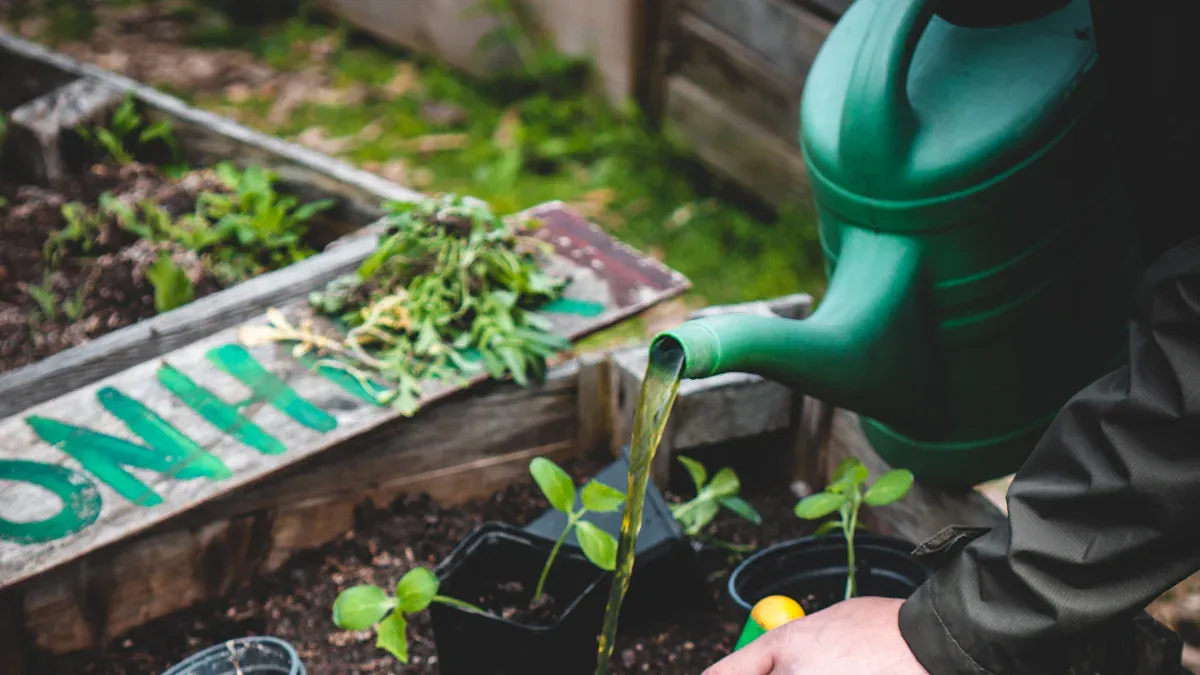
Many beginners feel excited to start gardening but worry about choosing the right garden supplies. They can find everything they need, from indoor plant pots to an outdoor storage shed, with just a few clicks. Outdoor hydroponics and a hydroponic greenhouse help them grow fresh food in new ways. Some gardeners even use indoor plant pots to brighten up their homes. Shopping online opens up a world of options for every type of gardener.
Key Takeaways
- Start your garden with basic supplies like seeds or young plants, good soil, and essential tools to make gardening easier and more fun.
- Choose containers and watering equipment that fit your space and help save water, especially if you garden indoors or in small areas.
- Research online stores carefully by reading reviews, comparing prices, and checking shipping policies to find quality supplies that match your needs.
- Make a shopping list and set a budget before buying to stay organized, avoid overspending, and get everything you need for your garden.
- Use beginner-friendly products and online resources like videos and forums to learn gardening skills and build confidence step by step.
Essential Garden Supplies for Beginners
Seeds and Plants
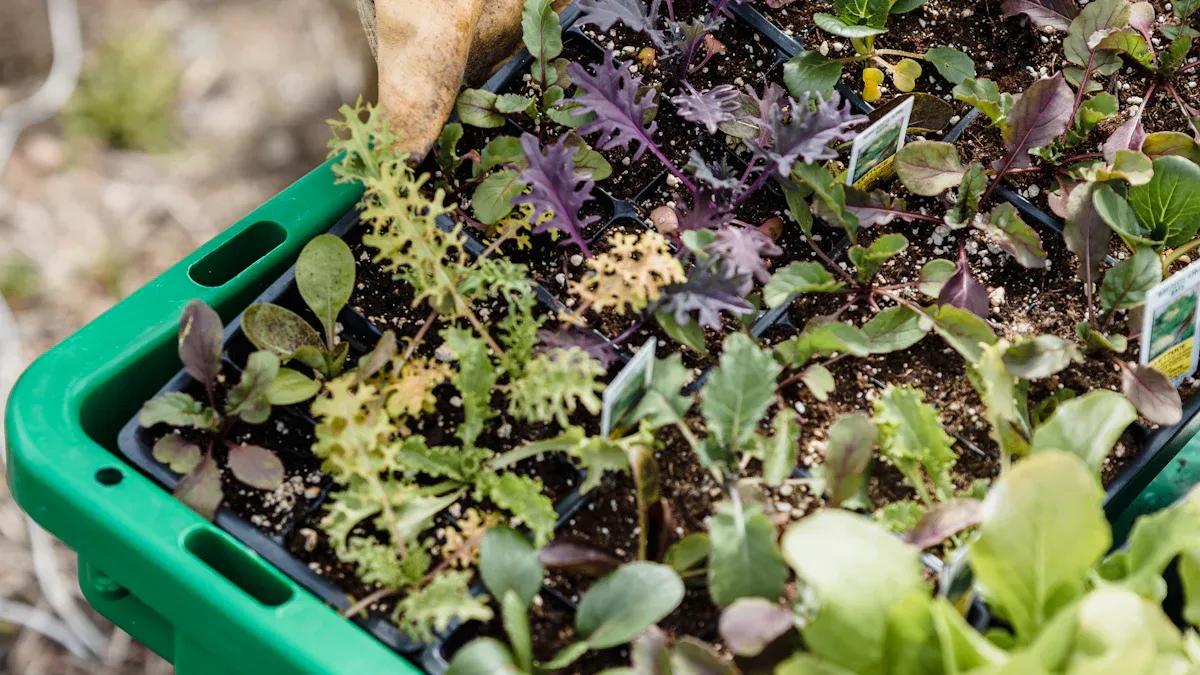
Every garden starts with seeds or young plants. Beginners often choose easy-to-grow vegetables like lettuce, radishes, or tomatoes. Flower lovers might pick marigolds or sunflowers. Many online stores offer starter packs that include a mix of seeds for different seasons. These packs help new gardeners try a variety of plants without feeling overwhelmed. Some people prefer buying small plants instead of seeds. This choice gives them a head start and faster results. When shopping for Garden Supplies online, look for clear labels and growing instructions. Good sellers provide details about sunlight, watering, and the best planting time.
Soil and Potting Mix
Healthy soil is the foundation of every successful garden. Not all soil is the same. Some plants grow better in special potting mixes. Studies show that mixes with farmyard manure and pine needles help plants grow taller and stronger. For example:
- Plants in a 50% pine needles and 50% farmyard manure mix reached 24.3 cm in height.
- The same mix produced the most leaves and the heaviest shoots.
- Potting mixes with farmyard manure also had more nutrients like nitrogen and potassium.
Most potting mixes keep the pH and salt levels safe for vegetables. Beginners should check product descriptions for these details. Choosing the right soil or mix from trusted Garden Supplies stores makes a big difference in plant health.
Basic Gardening Tools
The right tools make gardening easier and more fun. New gardeners need a few basics:
- Trowel with depth markings for planting seeds at the right depth.
- Spade and fork for digging and turning soil.
- Secateurs or pruners for trimming plants.
- Rake for clearing leaves and smoothing soil.
- Watering can with a comfortable handle.
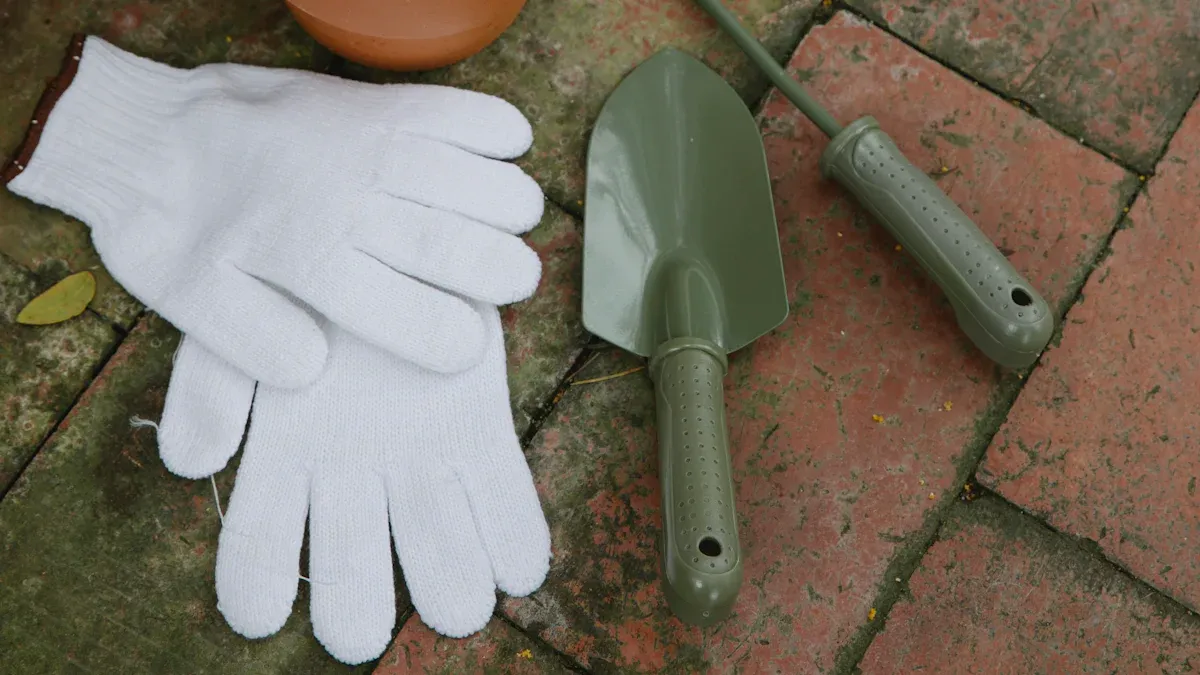
- Durable gloves for hand protection.
Tools with ergonomic handles help reduce hand fatigue. Some tools, like the Hori-Hori knife, speed up weeding and planting. Moisture meters help gardeners know when to water. High-quality tools last longer and work better. When shopping for Garden Supplies online, look for strong construction and good reviews. A well-chosen set of tools helps beginners enjoy gardening from day one.
Containers and Pots
New gardeners often start with containers and pots because they fit almost any space. Many people live in apartments or homes with small yards, so they look for pots that work indoors or on balconies. Market research shows that indoor gardening drives up the demand for stylish and practical containers. People want pots that look good and fit their décor. Urban gardeners choose lightweight materials like clay fiber or polymers. These pots are easy to move and safe for balconies. Smaller sizes, such as 4-inch or 8-inch pots, are popular for shelves and kitchen counters. Neutral colors and modern shapes match today’s decorating trends. Eco-friendly pots are also gaining attention as more gardeners care about the environment. Many stores now offer recyclable or biodegradable options. The growing popularity of houseplants and compact gardens means that containers and pots have become a must-have in Garden Supplies for beginners.
Watering Equipment
Watering plants seems simple, but using the right equipment makes a big difference. Sprinklers can use as much water in one hour as a family uses in a whole day. During summer, outdoor watering can take up about 30% of a home’s water use. Sadly, almost half of this water gets wasted through evaporation or runoff. Beginner gardeners can save water and money by choosing smart watering tools. Soaker hoses, drip lines, and garden hoses with nozzles help control how much water reaches each plant. Timers and smart controllers make watering easy and prevent overwatering. These tools help plants grow better and keep water bills lower. Choosing the right watering equipment is an important step for anyone building their first set of Garden Supplies.
Gardening Gloves
Gardening gloves protect hands from dirt, thorns, and blisters. They help gardeners work longer and more comfortably. Gloves come in many styles and materials. Some have rubber coatings for better grip, while others use breathable fabric to keep hands cool. New gardeners should look for gloves that fit well and feel comfortable. A good pair of gloves makes planting, digging, and pruning much easier. Many online stores offer gloves in different sizes and colors, so everyone can find a pair that suits their needs. Gloves are a simple but important part of every beginner’s gardening toolkit.
Fertilizer
Fertilizer gives plants the extra boost they need to grow strong and healthy. Many beginners feel unsure about which type to use, but water-soluble fertilizers work well for most gardens. These fertilizers deliver nutrients quickly, so seedlings get what they need right away. Gardeners often see faster growth and greener leaves when they use a balanced fertilizer with nitrogen, phosphorus, and potassium.
Tip: Always follow the instructions on the package. Too much fertilizer can harm plants instead of helping them.
Here are some reasons why experts recommend water-soluble fertilizers for new gardeners:
- They help seedlings grow faster and stronger.
- Plants get nutrients right when they need them most.
- The mix includes important elements for healthy roots and leaves.
- Gardeners can use them in different ways, like mixing with water or sprinkling on soil.
- Using the right amount keeps plants safe and avoids waste.
Many experienced gardeners say they notice a big difference when they use these fertilizers. They also point out that following proper guidelines, like soil testing and using the right dilution, helps prevent problems. For anyone shopping for Garden Supplies online, adding a good fertilizer to the list makes a smart choice.
Mulch
Mulch acts like a blanket for the soil. It keeps moisture in, blocks weeds, and helps plants stay cool on hot days. Many beginner gardeners use mulch to make their gardens easier to care for. Studies show that adding mulch or compost improves how much water the soil can hold. This means plants need less watering, and the soil stays moist longer.
A recent study compared different amounts of mulch and found that using the right amount makes a big difference. The table below shows how much mulch helps soil hold water:
| Mulch Application Rate (kg/m²) | Effect on Soil Water Retention (%) | Notes |
|---|---|---|
| 0.25 | 51.7–81.6% increase | Best for storing water in soil; much better than bare soil |
| 0.50 | 20.3–62.4% increase | Still good for holding water; also helps stop water from running off |
| 0.75 | 3.9–32.8% increase | Not as helpful; works less well on sloped ground |
| 1.00 | Decrease compared to bare soil | Too much mulch can actually make things worse |
Gardeners who use mulch see their plants grow better, especially during dry weather. Mulch also helps keep the soil healthy and can boost crop yields. When picking out Garden Supplies, beginners should consider adding mulch to their shopping list for easier and more successful gardening.
How to Choose Garden Supplies Online
Researching Reputable Online Stores
Finding a trustworthy online store makes shopping for garden supplies much easier. Many shoppers look for stores with strong reputations and positive reviews. Newsweek’s ranking of America’s Best Home and Garden Brands uses over 2 million online reviews to find the top stores. This ranking checks things like product quality, value for money, and customer service. Consumer Reports also reviews popular online plant retailers, such as The Sill and Bloomscape, to help buyers choose stores with good selection and helpful plant care tips. People who want the best experience often pick stores with high ratings and lots of happy customers.
Comparing Products and Prices
Smart gardeners compare products and prices before buying. Some stores offer lower prices, but the quality may not always match. Checkbook.org found that stores like Home Depot and Lowe’s have lower prices, but sometimes the plants and tools are not as good as those from higher-rated stores. Shoppers should look at both the price and the quality of each item. A simple table can help:
| Store | Price Range | Quality Rating | Customer Service |
|---|---|---|---|
| Home Depot | $$ | Fair | Good |
| Lowe’s | $$ | Fair | Good |
| The Sill | $$$ | Excellent | Excellent |
| Bloomscape | $$$ | Excellent | Excellent |
Tip: Quality tools and supplies last longer and work better, even if they cost a little more.
Reading Customer Reviews
Customer reviews give real-life feedback about products and stores. Shoppers can learn if a tool breaks easily or if a plant arrives healthy. Reviews often mention how easy it is to use a product, how well it works, and if the store helps with problems. Experts suggest reading several reviews to spot patterns. If many people mention the same problem, it might be a real issue. Beginners should also look for reviews that talk about climate, soil, and garden size. This helps them pick Garden Supplies that fit their needs.
- Understand your plants’ needs, like climate and soil.
- Prefer organic products when possible.
- Prioritize quality over price.
- Read reviews carefully before buying.
- Choose supplies that match your garden’s size and conditions.
Reading reviews and comparing options helps gardeners feel confident about their choices.
Considering Your Garden Size and Space
Gardeners often feel excited to start planting, but they need to think about how much space they have. A small balcony garden needs fewer supplies than a big backyard plot. To figure out what to buy, gardeners should measure their space first. They can use these steps:
- Measure the length and width of the garden area in feet or inches.
- Multiply the length by the width to get the total area for square or rectangular spaces.
- For triangle-shaped gardens, find the longest side and call it the base.
- Measure the height from the base to the opposite point.
- Multiply the base by the height, then divide by two to get the area.
- Use the area to estimate how much soil, mulch, or fertilizer to buy.
A gardener with a 10-foot by 5-foot space knows they have 50 square feet to fill. This helps them avoid buying too much or too little. Planning like this saves money and keeps the garden tidy.
Matching Supplies to Your Local Climate
Every region has its own weather patterns. Some places get lots of rain, while others stay dry most of the year. Gardeners should check what grows well in their area before shopping. Plants that love heat might not survive in cooler zones. Tools and containers also need to handle local weather. For example, plastic pots can crack in freezing temperatures, but clay pots might work better. People who live in windy areas may want heavier pots or sturdy plant supports. Checking the climate helps gardeners pick supplies that last longer and work better.
Tip: Local gardening groups or extension offices often share lists of plants and products that do well in the area.
Prioritizing Quality and Durability
Quality matters when buying gardening tools and supplies. Cheap tools might break after a few uses, but sturdy ones last for years. Gardeners should look for strong handles, rust-resistant metals, and thick materials. Reading product descriptions and reviews helps spot items that hold up over time. Some brands offer warranties, which shows they trust their products. Spending a little more on quality often saves money in the long run because gardeners do not need to replace things as often.
A simple table can help compare features:
| Feature | Low-Quality Tool | High-Quality Tool |
|---|---|---|
| Handle Material | Thin plastic | Solid wood/metal |
| Blade Strength | Bends easily | Stays sharp |
| Warranty | None | Yes |
Choosing durable supplies means less frustration and more time enjoying the garden.
Step-by-Step Guide to Buying Garden Supplies Online
Make a Shopping List
A good shopping list helps every gardener stay organized. It keeps the process simple and stress-free. When someone writes down what they need, they avoid forgetting important items. This list can include seeds, soil, gloves, tools, and hoses. Many gardeners also add organic fertilizers, irrigation supplies, summer bulbs, and shrubs.
Tip: A detailed checklist means gardeners can buy everything while supplies last, especially during busy seasons.
A shopping list does more than just remind people what to buy. It helps them focus on essentials and avoid buying things they do not need. This saves money and time. Gardeners who use a checklist often feel more prepared and ready to start planting. They also find it easier to maintain raised beds or container gardens.
Here are some benefits of making a shopping list:
- Ensures all necessary and optional tools are included.
- Helps gardeners stay organized and ready for the season.
- Reduces the chance of missing key items.
- Prevents overspending and confusion.
- Supports efficient and cost-effective gardening.
A well-made list helps gardeners get the most out of their Garden Supplies.
Set a Budget
Setting a budget is a smart move for any gardener. It keeps spending under control and helps avoid surprises at checkout. Gardeners should look up typical price ranges for tools, soil, and plants before shopping. This research gives them a clear idea of what to expect.
A budget also helps gardeners decide between must-have items and nice-to-have extras. They can focus on quality over quantity. High-quality tools and materials last longer and work better. Gardeners who plan their spending often feel more confident about their choices.
Here are some steps to set a budget:
- List all the items needed for the garden.
- Check prices online for each item.
- Add up the total cost.
- Decide how much to spend on each category, like tools, soil, or plants.
- Leave a little extra for unexpected needs.
Note: Knowing the budget ahead of time helps gardeners avoid impulse buys and stick to their plan.
Search for Starter Kits and Multi-Tool Sets
Starter kits and multi-tool sets make shopping easier for beginners. These kits often include everything needed to get started, such as seeds, soil, pots, and basic tools. Many new gardeners choose kits because they save time and money.
A recent sales report shows that premium gardening kits have a median price of $60, while eco-friendly tool sets cost about $40. Kits usually come with a higher profit margin, but they offer more value for beginners. People who buy kits often return for more supplies, which shows they feel satisfied with their purchase.
| Product Category | Median Price | Estimated Profit Margin |
|---|---|---|
| Eco-Friendly Gardening Tools | $40 | 30% |
| Premium Gardening Kits | $60 | 40% |
Starter kits attract new gardeners and encourage them to keep growing. These kits help people avoid the hassle of picking out each item one by one. Multi-tool sets also give gardeners a range of tools for different tasks, all in one package. This makes gardening less overwhelming and more enjoyable.
Callout: Kits and sets can boost confidence for beginners and help them learn faster.
When shopping for Garden Supplies online, gardeners should look for kits that match their needs and climate. Reading product details and reviews helps them pick the best option.
Check Shipping Policies and Delivery Times
Shipping policies can make or break an online shopping experience. Every gardener wants their supplies to arrive on time and in good condition. Before placing an order, shoppers should always check the store’s shipping details. Some stores offer free shipping for orders over a certain amount, while others charge by weight or distance. Delivery times can vary a lot. One store might promise delivery in three days, but another could take two weeks.
A quick checklist helps gardeners avoid surprises:
- Review the estimated delivery window for each item.
- Look for any shipping fees or minimum order requirements.
- Check if the store ships to your location, especially for live plants or soil.
- Read the store’s policy on damaged or missing items.
- See if tracking information will be provided.
Tip: Stores that offer tracking numbers and clear return policies usually provide better customer service.
Some products, like live plants or fragile pots, need special handling. Reliable stores often use extra packaging or fast shipping for these items. If a gardener needs supplies by a certain date, it helps to order early or choose express shipping. Reading customer reviews can also reveal if a store delivers on time or if delays are common. Planning ahead saves time and reduces stress.
Place Your Order Securely
Online shopping should always feel safe. Shoppers want to know their personal and payment information stays private. Trusted stores use several layers of protection to keep data secure. They use Secure Sockets Layer (SSL) encryption, which scrambles information during checkout. This makes it almost impossible for hackers to steal data as it travels across the internet.
Here are some ways stores protect customers:
- SSL encryption keeps payment and personal details safe.
- Only authorized staff can access sensitive information.
- Payment goes through trusted services like PayPal, which handle data securely.
- Stores use physical, electronic, and managerial steps to block unauthorized access or misuse.
- Many stores promise not to share or sell personal information unless required by law.
- Some use advanced 128-bit encryption from companies like VeriSign for extra safety.
- Membership in groups like the Better Business Bureau® shows a store takes customer complaints seriously.
Note: Look for a padlock symbol in the browser’s address bar. This means the website uses SSL and your information is protected.
Shoppers should always double-check the website address before entering payment details. Secure sites start with “https://” instead of “http://”. If a store offers multiple payment options, choosing a well-known service adds another layer of safety. Reading privacy policies can also help shoppers understand how their information will be used. Taking these steps helps every gardener shop with confidence and peace of mind.
Practical Tips for Beginner Gardeners
Look for Beginner-Friendly Products
Beginner gardeners often feel overwhelmed by the choices online. They can make things easier by searching for products labeled as “beginner-friendly” or “easy to use.” Many brands design tools and kits just for new gardeners. These products usually come with clear instructions and simple features. For example, a seed starter kit might include labeled pots, soil pellets, and a step-by-step guide. Some watering cans have easy-grip handles and lightweight designs.
Tip: Look for products with “starter,” “easy,” or “all-in-one” in the name. These often work best for those just starting out.
A quick table can help spot beginner-friendly features:
| Product Type | Beginner Feature |
|---|---|
| Seed Kits | Pre-measured soil pods |
| Tools | Ergonomic handles |
| Pots | Self-watering design |
Start Small and Expand Gradually
Many new gardeners want to grow everything at once. They often buy too many seeds or tools. Starting small helps them learn without feeling stressed. A small herb garden or a few pots of flowers can teach the basics. As they gain confidence, they can add more plants or try new tools.
They might begin with three or four types of plants. After a few weeks, they can see what grows well and what needs more care. This approach saves money and keeps gardening fun.
Callout: Small steps lead to big success. Every gardener learns more by growing a little at a time.
Avoid Common Mistakes When Shopping Online
Shopping online for garden supplies can be tricky. Some beginners buy the wrong size pots or order seeds that do not fit their climate. Others forget to check shipping costs or return policies.
Here are some common mistakes and how to avoid them:
- Not reading product descriptions carefully.
- Ignoring customer reviews.
- Forgetting to check if plants match the local climate.
- Overlooking shipping fees or delivery times.
Note: Always double-check the details before clicking “buy.” Reading reviews and checking store policies helps avoid surprises.
By staying alert and making careful choices, beginner gardeners can enjoy a smooth start to their gardening journey.
Use Online Support and Learning Resources
Beginner gardeners often feel unsure about what to do next. They can find answers and support online. Many websites offer free guides, videos, and forums where gardeners share tips. These resources help people solve problems and learn new skills.
Gardeners can join online communities. These groups welcome questions from beginners. Members share photos, advice, and stories about their gardens. Some popular places include:
- Reddit’s r/gardening: People post questions and get quick answers.
- Facebook gardening groups: Members share local tips and plant swaps.
- YouTube gardening channels: Videos show step-by-step instructions for planting, watering, and harvesting.
Tip: Watching a video can make a tricky task much easier to understand.
Many online stores also offer live chat support. Shoppers can ask about products or get help with orders. Some websites have plant care blogs and FAQ sections. These pages answer common questions about soil, watering, and pests.
A simple table shows where gardeners can find help:
| Resource Type | Example | What You Get |
|---|---|---|
| Forum | GardenWeb | Community advice |
| Video | YouTube | Visual step-by-step guides |
| Live Chat | Online garden stores | Product and order support |
| Blog/FAQ | The Sill, Bloomscape | Plant care tips and answers |
Gardeners who use these resources learn faster and feel more confident. They can avoid mistakes and enjoy better results. Online support makes gardening less lonely and more fun. Anyone can start with a question and find a helpful answer in minutes.
Optional and Nice-to-Have Garden Supplies
Plant Markers
Plant markers help gardeners remember what they planted and where. Many beginners start with just a few types of seeds, but as the garden grows, it gets harder to keep track. Plant markers solve this problem. They come in many shapes and materials, like wood, plastic, or metal. Some gardeners use popsicle sticks or even painted rocks for a personal touch.
Tip: Write the plant name and the date you planted it. This helps track growth and harvest times.
A simple table shows some options:
| Marker Type | Pros | Cons |
|---|---|---|
| Wooden | Eco-friendly, cheap | Can rot in rain |
| Plastic | Durable, reusable | Not biodegradable |
| Metal | Long-lasting | More expensive |
Plant markers make gardens look neat and help everyone learn plant names faster.
Gardening Apron
A gardening apron keeps clothes clean and tools close. Many aprons have big pockets for seeds, gloves, or a phone. Some even have loops for pruners or trowels. Gardeners who wear aprons spend less time searching for tools and more time planting.
Gardening can get messy. Dirt, water, and leaves stick to clothes. An apron acts like a shield. It saves time on laundry and keeps favorite shirts looking new. Some aprons use waterproof fabric, which helps on rainy days.
Callout: A good apron makes gardening feel more organized and fun.
Kneeling Pad
A kneeling pad protects knees from hard ground and sharp stones. Many gardeners spend time on their knees when planting or weeding. Without a pad, knees can get sore or dirty. A soft pad adds comfort and helps people garden longer.
Kneeling pads come in foam, gel, or rubber. Some fold up for easy storage. Others have handles for carrying around the yard. Gardeners with knee pain or sensitive joints find these pads very helpful.
- Foam pads feel light and easy to move.
- Gel pads give extra support for longer tasks.
- Rubber pads last a long time and clean up fast.
A kneeling pad may seem simple, but it can make a big difference in comfort and enjoyment. Many gardeners say they wish they had bought one sooner!
Pest Control Solutions
Garden pests can surprise even the most careful beginner. Many gardeners notice bugs or small animals eating their plants. They want easy ways to protect their hard work. Pest control solutions help keep gardens healthy and strong.
Some gardeners choose natural options first. They use neem oil, insecticidal soap, or diatomaceous earth. These products work well for common pests like aphids, mites, and caterpillars. Others try physical barriers. Netting, row covers, or copper tape can stop bugs and slugs from reaching plants.
Tip: Always read the label before using any pest control product. Some sprays work best in the morning or evening.
A simple table shows popular choices:
| Solution | Best For | Safe for Edibles? |
|---|---|---|
| Neem Oil | Aphids, mites | Yes |
| Insecticidal Soap | Soft-bodied bugs | Yes |
| Diatomaceous Earth | Slugs, beetles | Yes |
| Row Covers/Netting | Birds, insects | Yes |
Some gardeners use sticky traps or hand-pick bugs. Others plant marigolds or basil to keep pests away. These plants act as natural repellents. Gardeners who check their plants often can spot problems early. Early action keeps pests from spreading.
Many gardeners say a mix of methods works best. They try natural sprays, barriers, and helpful plants together. This approach keeps gardens safe without harsh chemicals.
Decorative Items
Decorative items turn a simple garden into a personal retreat. Many gardeners enjoy adding color and style to their space. They pick items that match their taste and make the garden feel special.
Popular choices include wind chimes, garden gnomes, and solar lights. Some people hang colorful pots or place painted stones along paths. Others use birdbaths or small fountains to attract wildlife. Flags, banners, and stepping stones add fun touches.
Callout: Decorative items do more than look nice. They create a welcoming space for friends, family, and pollinators.
A few ideas for easy garden decor:
- String fairy lights along a fence or railing.
- Place a small statue near a favorite plant.
- Use bright pots for herbs or flowers.
- Hang a homemade sign with a garden quote.
Gardeners can change decorations with the seasons. They might add pumpkins in fall or lanterns in summer. These small touches make gardening more joyful. Every garden tells a story with its decorations.
Shopping for garden supplies online feels easy when gardeners follow a few simple steps. They make a list, set a budget, compare products, and read reviews. These actions help them pick the right tools and plants.
Starting small works best. Every gardener learns more with each season. Confidence grows with every new plant. Anyone can begin their gardening journey today—one seed at a time!
FAQ
What are the best garden supplies for someone just starting out?
Most beginners need seeds, potting mix, a trowel, gloves, and a watering can. These basics help anyone start planting right away. Many online stores offer starter kits that include everything needed for a small garden.
How can someone tell if an online garden store is trustworthy?
A gardener should check for customer reviews, clear return policies, and secure payment options. Stores with high ratings and lots of positive feedback usually provide better service. Look for the padlock symbol in the browser for safe shopping.
Is it better to buy seeds or young plants online?
Seeds cost less and offer more variety. Young plants give faster results and work well for those who want a quick start. Many beginners try both to see what works best for their space and climate.
What should a gardener do if supplies arrive damaged?
Contact the store’s customer service right away. Most reputable stores replace damaged items or offer refunds. Take photos of the damage and keep all packaging until the issue is resolved.
Post time: Jun-17-2025