





Curious if a truck tent fits your camping vibe? Many campers now pick a camping truck tent for comfort and adventure.
- Outdoor lovers choose an easy up truck bed tent for Tacoma or a durable truck tent for quick trips.
- Awning For Car setups add shade and fun.
Key Takeaways
- Truck tents offer elevated, comfortable sleeping that keeps you dry, safe, and away from bugs and mud, making camping cleaner and cozier.
- Setup is quick and easy with color-coded poles and straps, allowing you to camp almost anywhere your truck can go, even on rough or uneven ground.
- Check your truck bed size and camping needs carefully before buying to ensure the tent fits well and matches your style, budget, and weather conditions.
Truck Tent Basics
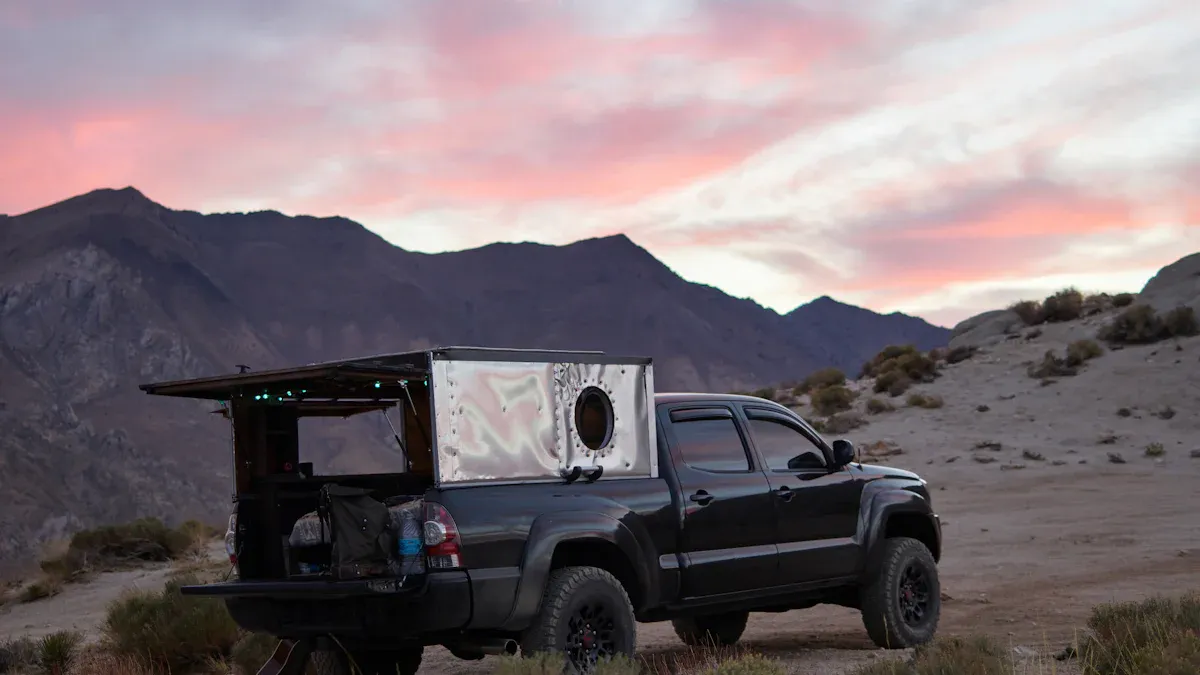
How a Truck Tent Works
A truck tent turns a pickup bed into a cozy sleeping spot. People set up the tent by cleaning out the truck bed first. They attach the tent using straps or clips, following the instructions from the manufacturer. Most truck tents use color-coded poles, which makes assembly easier. Some tents need extra gear like crossbars or racks, especially rooftop styles. Unlike ground tents, truck tents do not use stakes. Instead, they rely on straps and clips for stability.
Many truck tents have features that help campers stay comfortable. Common features include sturdy poles, thick flooring, and water-resistant fabric. Some tents have built-in floors to keep out moisture and dirt. Others skip the floor for faster setup. Mesh windows and vents improve airflow and keep bugs out. Storage pockets help organize gear. Some tents offer awnings for shade, while others focus on a simple, compact design.
Tip: Always check the fit of the tent with your truck bed size before buying. A good fit keeps the tent stable and safe.
Who Should Consider a Truck Tent
A truck tent works well for campers who want to sleep off the ground. People who own pickup trucks and like quick weekend trips often choose this option. Truck tents suit those who want to avoid mud, bugs, and uneven ground. Hunters, road trippers, and festival goers also find truck tents useful. Families with small children may enjoy the extra comfort and safety.
Truck tents do not fit every camping style. Campers who need lots of space or want to leave their tent while driving may prefer other options. People who camp in rough weather should look for tents with strong fabric and good ventilation.
Truck Tent Pros
Elevated Sleeping Comfort
A truck tent gives campers a better night’s sleep. Sleeping off the ground means no cold, wet, or muddy floors. Many truck tents come with thick foam mattresses that keep campers warm and cozy. People feel safer and more relaxed when they sleep above the ground. This setup also keeps out bugs and small animals. Some tents block out light, which helps campers sleep longer.
- Campers stay dry and warm, even in bad weather.
- Thick mattresses add comfort and insulation.
- Sleeping higher up feels safer and cleaner.
Protection from Weather and Wildlife
Truck tents shield campers from rain, wind, and curious animals. The truck bed acts as a barrier, keeping water and mud away. Mesh windows let air in but keep bugs out. Campers do not have to worry about ants, snakes, or rodents sneaking in at night. The tent’s sturdy fabric stands up to wind and rain, so campers stay dry and safe.
Quick and Easy Setup
Setting up a truck tent is fast and simple. Most models use color-coded poles and straps. Campers do not need to hammer stakes into the ground. The process is much easier than with traditional ground tents. Here’s a quick look at setup times:
| Tent Type | Setup Time Details |
|---|---|
| Rooftop Tents | Some setups as quick as 1 minute; most under 10 minutes; user reports setup in a couple of minutes. |
| Ground Tents | Requires stakes, guy wires, and ground covers; setup generally more involved than RTTs. |
Cleaner Camping Experience
Truck tents help campers stay clean. Sleeping above the ground keeps dirt, mud, and water out of the tent. Campers avoid tracking in dust and debris. The truck bed protects against flooding and animals. Some tents even connect to the truck’s interior, letting campers use heating or air conditioning for extra comfort.
- Less dirt and mud inside the tent.
- Fewer bugs and animals to worry about.
- Easier to keep gear clean and dry.
Flexible Campsite Options
Truck tents let campers set up almost anywhere they can park. Rocky, uneven, or muddy ground does not matter. Campers do not need to search for a flat spot or worry about tent stakes. The truck provides stability, even in windy places. Many campers enjoy exploring remote areas that ground tents cannot reach.
- Camp anywhere a truck can go.
- No need for flat or soft ground.
- Quick setup in many different locations.
Truck Tent Cons
Limited Interior Space
Truck tents often feel cramped inside. People notice less room for gear, sleeping bags, or moving around. Unlike traditional campers, truck tents do not offer much space for standing or stretching. Families or groups may find it hard to fit everyone comfortably. Rooftop tents save space inside the truck, but they still provide less storage than ground tents or RVs.
Vehicle Compatibility Issues
Not every truck tent fits every truck. Manufacturers design tents for specific truck types, such as pickups or 4WD vehicles. Buyers must check the truck bed size before choosing a tent. Some common problems include:
- Long bed tents do not fit smaller trucks.
- Waterproof seals around the cab and bed edges can leak, especially without sealing gaskets.
- Straps may scratch paint if dirt gets underneath.
- Extra steps like using tarps or padding straps help protect the truck.
People often need to follow protective tips, like using rubber-coated hooks or padding straps, to avoid damage.
Access and Mobility Challenges
Getting into a truck tent sometimes means climbing a ladder. This can be tough for older adults, people with mobility issues, or families with young kids. Truck tents let campers reach remote spots and set up quickly, but the ladder makes access harder than ground tents or campers with ramps.
- Quick setup and remote camping are possible.
- Ladder access may not suit everyone.
Cost and Durability Considerations
Truck tents cost more than ground tents but less than rooftop tents. The table below shows average prices:
| Tent Type | Average Cost Range | Notes on Cost Comparison |
|---|---|---|
| Truck Tents | $200 – $500 | More expensive than ground tents but cheaper than roof top tents |
| Ground Tents | Cheapest option | Most cost-effective and budget-friendly option |
| Roof Top Tents | $1,000 – $5,000+ | Significantly more expensive; considered luxurious option |
Durability can be an issue. Users report seams tearing, poles snapping, and rainfly material ripping. Some tents show poor craftsmanship around windows. Unclear instructions sometimes make setup harder, which can affect how long the tent lasts. Many brands offer warranty support and replacement parts.
Dependence on Your Truck
A truck tent depends on the truck for setup and camping. This means campers must match the tent to the truck’s bed size and weight limits. The table below explains how this affects flexibility:
| Aspect | Supporting Evidence |
|---|---|
| Flexibility in Camping Locations | Truck campers are compact and easier to maneuver than larger RVs, allowing access to tight spaces and remote or off-road locations, which increases flexibility in choosing camping spots. |
| Detachment Feature | Campers can be detached from the truck, enabling users to leave the camper at the campsite and use the truck independently, enhancing flexibility in activities and location choices. |
| Dependence on Truck Specifications | The camper must match the truck’s bed size, payload capacity, and weight limits, which can restrict the choice of camper and thus influence the range of suitable camping locations. |
| Preference for Remote Camping | The sturdy build and off-road capability of truck campers make them suitable for avoiding crowded or expensive campgrounds, supporting more flexible and diverse camping options. |
| Overall Impact | Dependence on the truck positively affects flexibility by enabling easier maneuvering and access to diverse locations but also imposes limitations based on truck size and payload capacity. |
Truck Tent vs. Ground Tent vs. Roof Top Tent
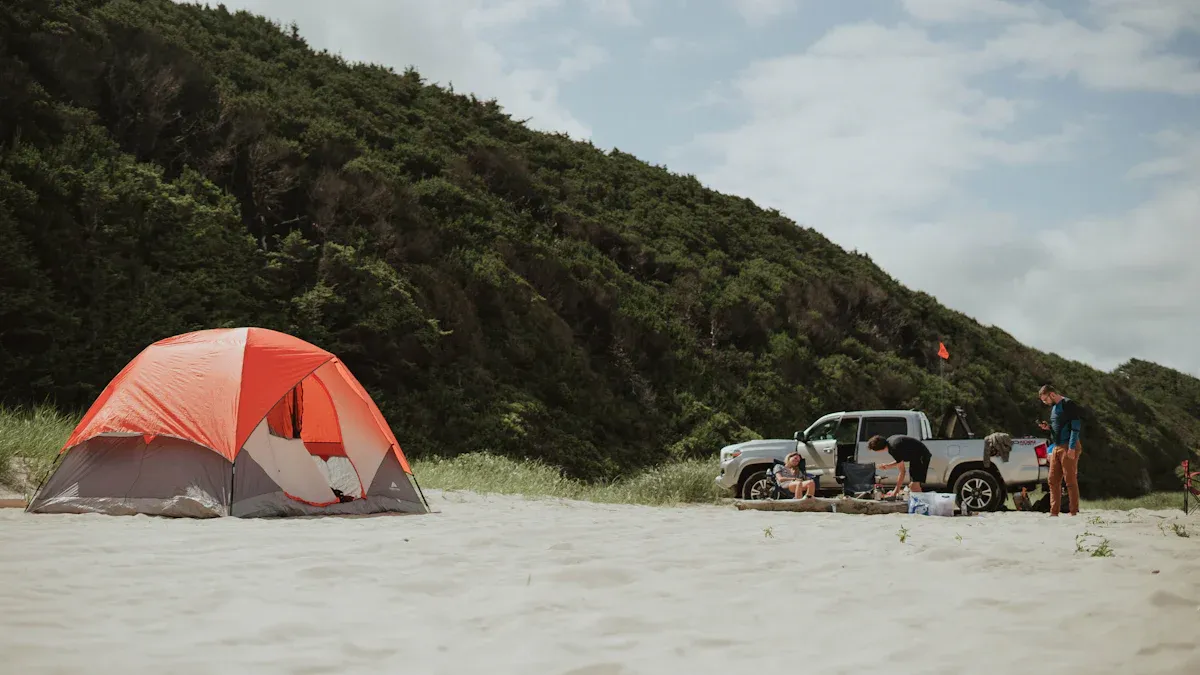
Comfort and Accessibility Differences
Choosing the right tent can change the whole camping experience. Each type offers unique comfort and access features. The table below shows how truck tents, ground tents, and rooftop tents compare:
| Tent Type | Comfort Features | Accessibility Features and Limitations |
|---|---|---|
| Truck Tents | Off-ground sleeping surface in truck bed provides flat, clean area. Protection from dirt, critters. More durable than ground tents due to avoidance of sharp objects. | Requires climbing into truck bed, which can be difficult for children or some users. Setup takes longer than ground tents. Limited by truck bed size. Must break down tent to move vehicle. |
| Ground Tents | Most budget-friendly. Spacious interior with headroom. Can fit mattresses and cots. Easy to set up and store. Freedom to leave tent set up when leaving camp. | Directly on ground, less comfortable due to uneven surfaces. Gets dirtier. Requires flat campsite. Less durable fabric and poles. No vehicle constraints, easy access at ground level. |
| Rooftop Tents | Highest comfort with built-in mattress pads. Elevated for safety and scenic views. Durable, thicker canvas. Quick setup once mounted. Saves vehicle storage space. | Requires roof rack system. Ladder access can be challenging for families and pets. Most expensive option. Must break down tent to move vehicle. Vehicle size and roof strength considerations. |
Setup Time and Convenience
Setup time matters when campers arrive late or face bad weather. Ground tents usually set up the fastest. Most people can pitch them in minutes. Truck tents take a bit longer because they need to fit snugly in the truck bed. Rooftop tents offer quick setup once mounted, but mounting them on the vehicle takes extra effort. Campers who want the fastest setup often choose ground tents, while those who value comfort may spend more time on setup.
Price and Value Comparison
Price plays a big role in choosing a tent. Ground tents cost the least and work for most budgets. Truck tents cost more but offer better protection and comfort. Rooftop tents cost the most and feel the most like a home away from home. Campers who want value often pick ground tents. Those who want comfort and safety may spend more on a truck tent or rooftop tent.
Versatility for Different Campers
Some campers need a tent that fits many situations. Two main groups find truck tents more versatile. Backpackers and tent campers like sleeping off the ground with extra comfort. Off-road drivers and boondockers enjoy traveling and camping in remote places. These campers like truck tents for their low profile, lighter weight, and better fuel economy. Truck tents also help drivers reach places with low branches or rough roads where big campers cannot go.
Tip: Think about where you want to camp and how you plan to get there. The right tent makes every trip easier and more fun.
Deciding If a Truck Tent Is Right for You
Key Questions to Ask Yourself
Choosing the right camping setup can feel tricky. Many campers find it helpful to ask themselves a few simple questions before making a decision. These questions help match the tent to their needs, truck, and camping style.
- How often do you plan to camp? Frequent campers may want a more durable tent.
- What is your budget? Truck tents cost more than ground tents but less than rooftop tents.
- How many people will sleep in the tent? Some tents fit one or two, while others fit small families.
- What kind of weather do you expect? Look for tents with strong materials and good ventilation for rain, wind, or heat.
- Where do you like to camp? Rocky trails, beaches, and remote spots may need a tougher tent.
- Is your truck bed the right size? Measure it carefully to make sure the tent fits snugly.
- Do you need extra features? Some campers want mesh windows, cab access, or awnings for shade.
- Will you need to remove a camper shell or tonneau cover? Most truck tents require an open bed.
- How important is quick setup? Some campers want to spend less time pitching the tent and more time relaxing.
- Do you need to move your truck during the trip? Remember, you must take down the tent before driving.
Tip: Campers who answer these questions honestly find it easier to pick the best tent for their adventures.
Decision Checklist
A checklist helps campers stay organized and confident when choosing a tent. Outdoor experts recommend checking each item before buying. This table shows what to look for:
| Decision Factor | What to Check or Do |
|---|---|
| Truck Bed Size | Measure length and width. Match tent model to your truck’s bed. |
| Weight Capacity | Check your truck’s load limit. Add up tent, gear, and people. |
| Materials & Weather | Choose heavy-duty, waterproof fabric. Look for DWR coatings and sealed seams. |
| Setup & Installation | Practice setup at home. Make sure all parts fit and work. |
| Features & Accessories | Look for mesh windows, cab access, awnings, storage pockets, and lighting. |
| Budget | Compare prices. Include costs for extra gear or installation. |
| Compatibility | Remove camper shells or covers before installing the tent. |
| Comfort & Space | Pick a tent that fits your group and gear. Check for enough headroom and ventilation. |
| Ladder & Access | Make sure the ladder fits your truck’s height. Check for safe angles and extensions. |
| Durability | Read reviews about seams, poles, and zippers. Look for warranty options. |
Campers who follow this checklist avoid common mistakes. They enjoy a smoother camping experience and get more value from their tent.
Note: Always double-check your truck’s measurements and weight limits before buying. A good fit means better safety and comfort.
A truck tent gives campers a simple way to sleep off the ground and reach remote places. Many enjoy the comfort and easy setup, but some find the space tight or the weather protection lacking. Each camper should use the checklist to pick the best fit for their next trip.
FAQ
Can a truck tent fit any pickup truck?
Most truck tents fit specific truck bed sizes. Buyers should measure their truck bed before ordering. Manufacturers list compatible models and sizes in product descriptions.
Is it safe to leave a truck tent set up while driving?
People should never drive with a truck tent set up. The tent can tear or fly off. Always pack up the tent before moving the truck.
How do campers keep warm in a truck tent during cold nights?
Campers use insulated sleeping bags, foam mattresses, and extra blankets. Some truck tents allow safe use of portable heaters. Always follow safety instructions for heating gear.
Post time: Aug-13-2025