




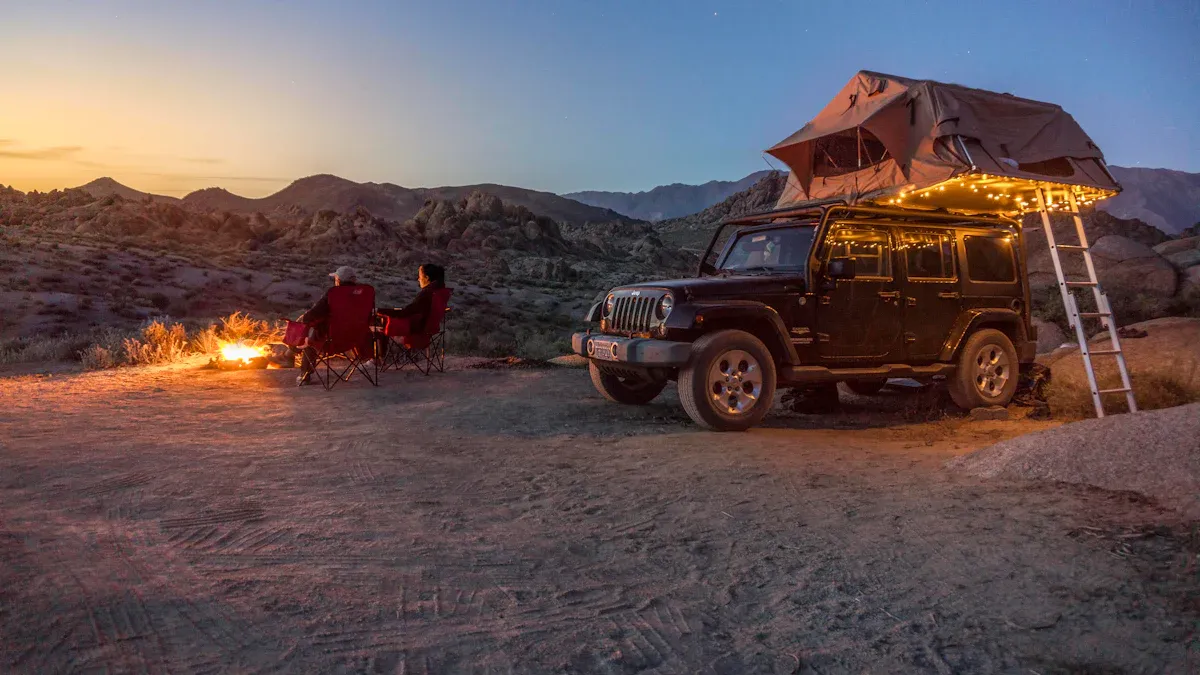
Selecting the right roof tent shapes every camping trip. Outdoor enthusiasts compare factors like tent size, durability, and vehicle compatibility. The table below shows what matters most:
| Factor | Description & Impact |
|---|---|
| Tent Size & Capacity | Affects comfort and suitability for groups or families. |
| Material & Durability | Impacts setup ease and longevity; options include polyester and canvas. |
| Additional Features | Mattresses, storage, and awnings enhance the experience. |
| Budget & Camping Needs | Frequency and terrain influence the ideal Tent Durable Tent Box. |
| Vehicle Compatibility | Ensures safe mounting and proper fit. |
| Camping Style & Terrain | Determines need for ruggedness and weather resistance. |
| Personal Preferences | Influences comfort and accessory choices. |
Key Takeaways
- Choose a roof tent that fits your vehicle’s roof load limits and has compatible roof bars to ensure safety and stability during travel and camping.
- Decide between hard shell and soft shell tents based on your weather needs, setup speed, and space preferences to match your adventure style.
- Use the checklist to compare sleeping capacity, setup ease, weather protection, accessories, and brand reputation for a comfortable and reliable camping experience.
Benefits and Drawbacks of Roof Tents
Why Choose a Roof Tent?
Roof tents offer several compelling advantages for outdoor enthusiasts. Many campers select roof tents for their convenience and comfort. These tents set up quickly by unfolding on the vehicle roof, which saves time and effort compared to pitching a ground tent. Campers enjoy sleeping above the ground, which keeps them safe from mud, insects, and wildlife. This elevated position also provides better views and a cleaner environment.
Outdoor gear experts highlight several key benefits:
- Ease of Setup: Quick and simple unfolding process.
- Above-ground Shelter: Protection from ground moisture, bugs, and animals.
- Superior Comfort: High-density mattresses and flat sleeping surfaces.
- Durability: Strong materials like fiberglass and aluminum resist damage.
- Space-saving: Frees up vehicle interior for other gear.
- Customizability: Options for annexes and awnings.
- Security: Locked to the vehicle and elevated for safety.
- Year-round Use: Insulated models handle all weather.
- Luxury Features: Some models offer solar compatibility and extra amenities.
Tip: Roof tents allow camping in remote locations, offer panoramic views, and help avoid flood risks during heavy rain.
Potential Downsides to Consider
Despite their many strengths, roof tents come with some drawbacks. Users often report that roof tents cost more than traditional ground tents. Not all vehicles can support the weight of a roof tent, especially smaller cars. Installation can be tricky, and improper mounting may cause the tent to dislodge.
- Roof tents require the car for transport, limiting flexibility.
- Packing up the tent can be difficult, especially on tall vehicles.
- Heavy tents may affect vehicle handling and fuel efficiency.
- Frequent relocation becomes inconvenient, as the tent must be packed away before driving.
- Some users experience leaks or bug entry, and manufacturer support can be lacking.
Campers should weigh these factors to decide if a roof tent fits their adventure style and vehicle.
Vehicle Compatibility and Weight Limits
Checking Your Car’s Roof Load Limits
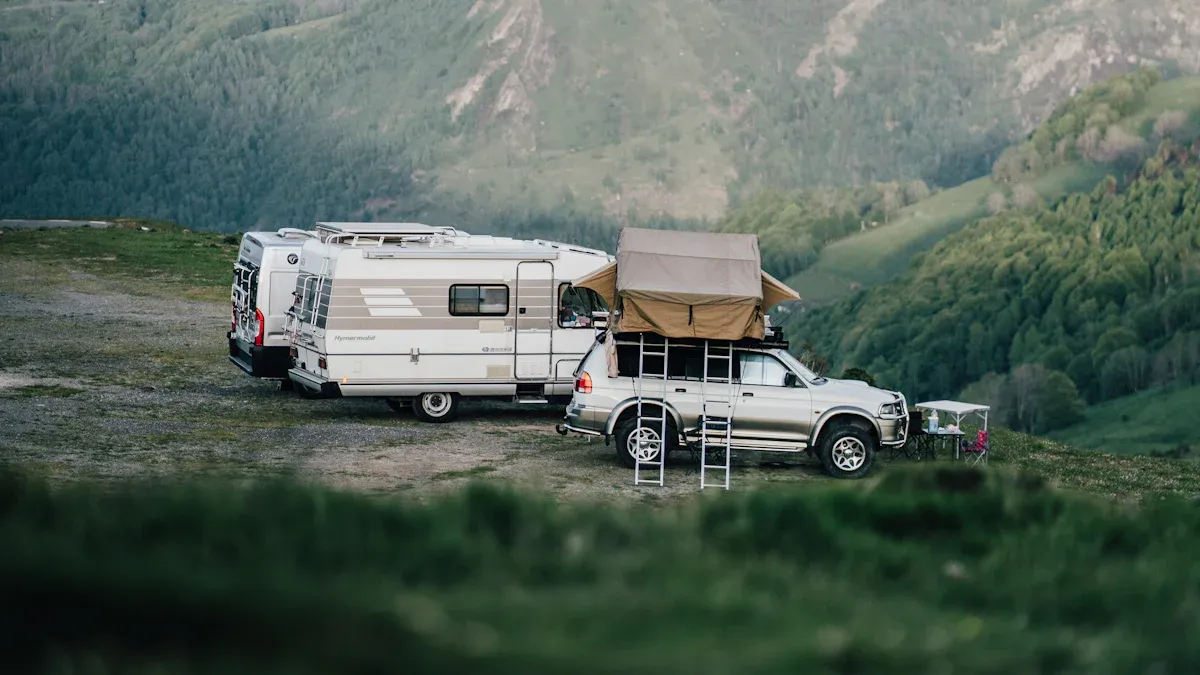
Every vehicle has a maximum roof load limit. This limit determines how much weight the roof can safely support while driving and when parked. The dynamic roof load limit refers to the maximum weight the roof can handle during travel. Drivers can find this number in the vehicle’s user manual or by searching online databases like www.car.info. The static roof load limit applies when the vehicle is stationary, such as when campers sleep in the tent. This static limit is usually three to five times higher than the dynamic limit. For example, if a car’s dynamic limit is 50 kg, the static limit ranges from 150 kg to 250 kg. Manufacturers rarely publish static limits, so campers must calculate it using the dynamic value.
Exceeding these limits can cause serious problems:
- Vehicle handling suffers, increasing accident risk.
- Roof and suspension damage may occur.
- Legal issues arise, including fines and failed inspections.
- Insurance companies often deny claims for overloaded vehicles.
- Overloading leads to premature wear on suspension, tires, and the frame.
- The vehicle’s center of gravity rises, reducing stability.
- Fuel efficiency and performance decline.
- Warranty coverage does not apply to damage from overloading.
Note: Always check your vehicle’s manual before purchasing a roof tent. Staying within the recommended limits keeps everyone safe and protects your investment.
Roof Bars and Installation Requirements
Roof tents require strong, reliable roof bars or racks. Three main systems exist: crossbars, platforms, and pickup bed racks. Crossbars are the simplest, spanning the width of the vehicle. Platforms offer a larger, more stable surface and distribute weight better. Pickup bed racks work best for trucks, keeping the cargo area free.
When choosing roof bars, consider these points:
- Two high-quality roof bars usually support most roof tents, such as TentBox models. Off-road trips may need a third bar.
- Roof bars attach differently, depending on the vehicle’s roof type: open rails, closed rails, plain roofs, fixed points, or gutters.
- Compatibility with the vehicle’s make and model is essential.
- Weight capacity must match or exceed the tent and gear.
- Durable materials like aluminum or steel last longer.
- Installation should be straightforward, with clear instructions.
- Both static and dynamic weight capacities must be verified.
- Securely mount roof racks, ensuring they fit the vehicle’s crossbar dimensions.
- Space crossbars 32 to 48 inches apart for stability.
- Select racks with enough capacity for the tent and gear.
- Use strong materials for longevity.
- Confirm compatibility with your vehicle.
- Choose easy-to-install and removable systems.
- Always check both static and dynamic weight ratings.
Some users face installation challenges. For example, limited clearance between the tent and roof rack bars can make accessing mounting points difficult. Factory brackets may not fit, requiring custom solutions. Close proximity between the tent and crossbars can cause rattling. Careful planning and the right tools help avoid these issues.
Tip: Double-check all mounting points for stability. Proper alignment prevents movement and ensures a safe camping experience.
Ladder Access and Practical Challenges
Roof tents use ladders for entry and exit. This design keeps campers off the ground but introduces new challenges. Climbing a ladder may be difficult for people with limited mobility. The problem becomes more noticeable with taller vehicles like SUVs or trucks. Users must consider their physical ability and the height of their vehicle before choosing a roof tent.
- Ladder climbing is required for all roof tents.
- People with mobility issues may struggle with access.
- Tall vehicles increase the difficulty of using the ladder.
Campers should test ladder access before committing to a roof tent. Easy entry and exit are vital for a comfortable and safe adventure.
Alert: Always secure the ladder on stable ground. Avoid slippery or uneven surfaces to prevent accidents.
Roof Tent Types: Hard Shell vs. Soft Shell
Hard Shell Tents: Pros and Cons
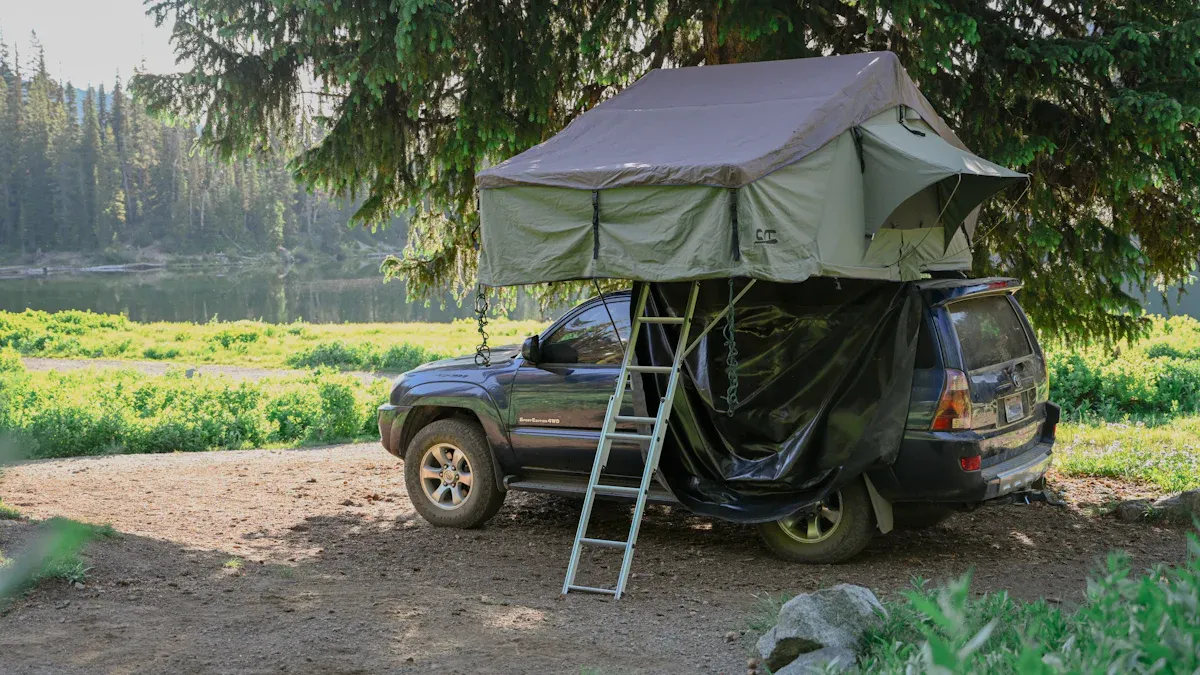
Hard shell roof tents feature a rigid, aerodynamic exterior made from materials like aluminum, fiberglass, or ASA/ABS plastic. These tents provide excellent protection against wind, rain, snow, and hail. Their tough construction makes them ideal for harsh and unpredictable weather. Many campers choose hard shell tents for their high durability and long lifespan. The setup process is fast and simple. Most hard shell tents open in under one minute, making them a favorite for travelers who value convenience. The solid casing also helps keep out moisture and dust, reducing the need for frequent maintenance.
However, hard shell tents often cost more than soft shell models. Their heavier weight can affect vehicle handling and fuel efficiency. Storage space inside the tent may be smaller compared to some soft shell options. Some users find that the rigid design limits the number of people who can sleep comfortably.
Note: Hard shell tents work best for those who camp in extreme conditions or want a Tent Durable Tent Box that lasts for years.
Soft Shell Tents: Pros and Cons
Soft shell roof tents use flexible fabrics such as canvas, polyester, or nylon. These tents focus on lightweight design and spacious interiors. Many families and groups prefer soft shell tents because they offer more sleeping space and often include annexes or awnings. The lighter weight makes them easier to transport and install on a wider range of vehicles.
Soft shell tents do not provide the same level of protection as hard shell models. They require more maintenance, including regular cleaning and waterproofing. Setup and pack-away times are longer, often matching the time needed for a small ground tent. In extreme weather, soft shell tents may not hold up as well, and users must take extra care to keep the tent in good condition.
| Feature | Hard Shell Roof Tents | Soft Shell Roof Tents |
|---|---|---|
| Material | Aluminum, fiberglass, ASA/ABS plastic | Canvas, polyester, nylon, acrylic |
| Durability | High; resists tears and wear | Lower; needs more care |
| Weather Resistance | Excellent; 4-season use | Adequate; less effective in harsh weather |
| Setup Time | Under 1 minute | Similar to ground tents |
| Space | Compact | Spacious, often with annexes |
Key Features to Look For in a Tent Durable Tent Box
Tent Weight and Gear Considerations
Tent weight plays a major role in selecting a Tent Durable Tent Box. Most rooftop tents weigh between 80 and 250 pounds. The average range falls between 100 and 200 pounds. Heavier tents can affect vehicle handling by raising the center of gravity. This change makes maneuvering more difficult, especially if the tent weight exceeds the vehicle’s dynamic load capacity. Fuel efficiency can drop by up to 17% because of added weight and increased wind drag. Soft-shell tents usually weigh less but create more drag, while hard-shell tents are heavier but more aerodynamic. Proper installation and careful driving help reduce these negative effects. Always check the vehicle’s rooftop load limits before choosing a Tent Durable Tent Box. Trucks, SUVs, and vans often support heavier tents, but smaller cars may not. Selecting a tent that matches the vehicle’s capacity ensures safety and better performance.
Tip: Store only lightweight gear inside the Tent Durable Tent Box to avoid overloading the roof and affecting stability.
Setup and Pack-Away Process
The setup and pack-away process can make or break the camping experience. Leading brands design their Tent Durable Tent Box models for quick and easy use. Hard-shell tents like those from ROAM Adventure Co. and James Baroud use hydraulic cylinders or pop-up mechanisms. These tents set up in less than 60 seconds. Some allow campers to leave sleeping bags inside when closed, saving time and effort. Other brands, such as Autohome, use gas struts or hand cranks for moderate setup times. Fold-out designs from iKamper and Roofnest increase sleeping capacity but may take longer to set up. Pack-away features vary, with some tents folding down smaller for easier storage. Campers should look for clear instructions and user-friendly mechanisms. Fast setup and pack-away processes mean more time enjoying the outdoors and less time struggling with equipment.
| Brand | Setup Mechanism | Setup Time | Pack-away Features |
|---|---|---|---|
| ROAM Adventure Co. | Hard shell, quick pop-up | < 60 seconds | Sleeping bags can stay inside |
| James Baroud | Hydraulic cylinders | Easy and fast | N/A |
| Autohome | Gas struts/hand crank | Moderate | N/A |
| iKamper | Fold-out design | N/A | Accessories sold separately |
| Roofnest | Fold-out design | N/A | Folds down smaller |
Note: Practice setting up and packing away the Tent Durable Tent Box at home before heading out on a trip.
Sleeping Capacity and Interior Space
Sleeping capacity and interior space determine comfort during camping trips. Most rooftop tents accommodate two to four people. Single or double occupancy models suit solo travelers or couples. Larger Tent Durable Tent Box options can sleep up to four adults. Some tents offer attachable annex rooms that expand living and sleeping space. Interior space varies by model. Canvas-style tents provide more room for families or groups. Smaller models focus on couples and maximize coziness. Annexes and extensions add flexibility, offering extra sleeping quarters or storage. Compared to traditional ground tents, rooftop tents deliver ample space and comfort, making them a popular choice for many campers.
Insulation and Weather Protection
High-quality Tent Durable Tent Box models feature advanced insulation and weatherproofing. Manufacturers use multilayered canvas fabrics, Oxford cotton, and polycotton blends for durability and protection. PU coatings and hydrostatic head ratings (such as 2000mm or higher) ensure waterproofing. UV inhibitors and fabric treatments extend the tent’s life. Aluminum frames resist rust and maintain shape under stress. Many tents include high-density foam mattresses with removable covers for comfort and insulation. Anti-condensation layers beneath the mattress prevent dampness and mold. Heavy-duty mesh fly screens, window rods, and heat-sealed seams keep out rain, wind, and insects. Insulated aluminum bases support heavy loads and provide extra warmth in cold weather.
| Feature | Description |
|---|---|
| Mesh Fly Screens | Heavy-duty mesh for ventilation and insect protection |
| Window Rods | Hold awnings open, block rain, allow light and air |
| Frame | Lightweight, rust-resistant aluminum |
| Base | Insulated, anti-scratch, supports up to 300kg |
| Mattress | High-density foam, removable cover |
| Anti-Condensation Layer | Prevents damp and mold |
| Fabric | Waterproof, UV-resistant, breathable |
| Seams | Heat sealed for extra waterproofing |
Callout: Always check the weatherproof rating and insulation features before purchasing a Tent Durable Tent Box, especially for year-round camping.
Accessories and Add-Ons
Accessories and add-ons enhance the camping experience and extend the functionality of a Tent Durable Tent Box. Popular options include:
- Mounting & Stability: Carbon fiber or aluminum crossbars improve mounting and safety.
- Sleeping Comfort: Hybrid air mattresses and extra padding upgrade rest quality.
- Protection & Durability: Protective covers shield the tent from weather and UV rays.
- Storage Solutions: Cargo nets, wall organizers, and shoe bags keep gear organized and accessible.
- Expanded Living Space: Annexes and awnings provide extra sheltered areas for family or gear.
- Weather Protection: Thermal insulation skins and awnings help regulate temperature and block rain or wind.
- Insect Protection: Mosquito nets keep bugs out for a more comfortable night.
- Security: Anti-theft tools protect the tent and gear from theft.
| Accessory Type | Examples | Enhancement to Camping Experience |
|---|---|---|
| Mounting & Stability | Carbon Fiber Crossbars | Ensures safety and durability |
| Sleeping Comfort | Hybrid Air Mattress | Improves rest quality |
| Protection & Durability | Protective Covers | Extends tent life |
| Storage Solutions | Cargo Nets, Wall Organizers | Keeps gear organized |
| Expanded Living Space | Family Base Annex, Awning | Adds sheltered space |
| Weather Protection | Insulation Skin | Regulates temperature |
| Insect Protection | Mosquito Net | Keeps insects out |
| Security | Anti-Theft Tool | Prevents theft |
Tip: Choose accessories that match your camping style and needs. The right add-ons can turn a Tent Durable Tent Box into a true home away from home.
Matching Your Tent to Your Adventure Style
Solo and Couple Camping
Solo travelers and couples often prioritize convenience and comfort. The best roof tents for these adventurers feature quick setup, often with one-person deployment using gas struts or pop-up mechanisms. Built-in mattresses provide a comfortable sleeping surface without extra gear. Mesh windows allow for ventilation and keep insects out, while weather-resistant materials protect against rain and wind. Lightweight frames, such as aluminum poles, make transport and installation easier. These tents usually offer just enough space for one or two people, avoiding unnecessary bulk. Many models include built-in storage compartments and awnings for added convenience. The elevated sleeping position keeps campers safe from insects and damp ground, while the compact design frees up vehicle space for other essentials.
Tip: Choose a tent with a built-in ladder for easy access and a space-saving design to maximize comfort on solo or couple trips.
Family and Group Adventures
Families and groups need larger tents with more sleeping capacity. Models like the Smittybilt Overlander XL and iKamper Skycamp 3.0 stand out for their spacious interiors and durable construction. These tents can sleep up to four people comfortably and often include features such as thick foam mattresses, sky-view windows, and annexes for extra space. Good ventilation, weather resistance, and quick setup are essential for family comfort and safety. The elevated design keeps everyone above ground hazards, while integrated storage and lighting add convenience. These tents create a central hub for family bonding and relaxation during camping trips.
Off-Road and All-Weather Trips
Adventurers who tackle rough terrain or unpredictable weather need specialized roof tents. Hard shell designs offer a compact footprint and rigid construction for superior weather protection. Heavy-duty, waterproof canvas materials withstand harsh conditions, while ABS or fiberglass shells enhance wind resistance and warmth. Features like panoramic windows, insect mesh, and integrated storage improve comfort and durability. Some models use electric or inflatable setup technologies for quick deployment and stability in strong winds. Elevated positioning protects campers from flooding and ground-based hazards, making these tents ideal for challenging environments.
Note: For off-road or all-weather trips, select a tent with reinforced materials and advanced weatherproofing to ensure safety and comfort in any condition.
Top Roof Tent Brands to Consider
TentBox
TentBox stands out for its versatile product range and strong customer support. The company offers three main models: Lite (soft shell), Classic, and Cargo (hard shell). Prices range from affordable to premium, making TentBox accessible to many campers. The brand provides a five-year extended warranty, which includes repair or replacement. Customers can reach the support team through multiple channels, such as phone, email, and social media. TentBox has a large and active community, with thousands of members sharing tips and experiences. Reviews praise the brand for reliability and ease of use, making it a popular choice for those seeking a Tent Durable Tent Box.
| Feature | TentBox | iKamper (Competitor) |
|---|---|---|
| Product Range | 3 models (Lite, Classic, Cargo) | 2 models |
| Warranty | 5 years, full support | 2 years, limited |
| Customer Service | Multiple channels, UK-based experts | Email only |
| Community | Large, active, frequent events | Smaller, less active |
| Customer Reviews | 4.7 stars, 340+ reviews | 3.8 stars, 2 reviews |
Autohome
Autohome, founded in Italy in 1958, has built a reputation for durability and quality. The Maggiolina model is especially well-known for its solid construction and aerodynamic design. Users appreciate the simple hand crank setup and plush mattresses. The brand’s long history and positive reputation suggest high user satisfaction. Although shipping costs can be high, many campers trust Autohome for reliable and long-lasting roof tents.
Front Runner by Dometic
Front Runner by Dometic offers one of the lightest roof tents on the market, weighing only 93 pounds. This makes it ideal for smaller vehicles or solo travelers. The tent uses tough poly/cotton ripstop fabric and a polyester rainfly. A Quick Release Tent Mount Kit allows for easy removal without tools. The softshell design folds down to a low profile, reducing wind resistance. The tent includes a comfortable mattress, collapsible ladder, and practical mounting hardware. Front Runner tents have proven their durability on rugged roads and come at a competitive price.
Thule
Thule brings innovation to the roof tent market. The brand features panoramic windows and skylights, allowing campers to enjoy nature and fresh air. Innovative mounting brackets cut installation time in half and lock the tent securely. The tent sets up in under three minutes. Accessories like annexes and anti-condensation mats add comfort. Thule tents undergo rigorous testing for durability and safety, making them a trusted choice for outdoor adventures.
- Panoramic windows and skylights for stargazing
- Quick setup and secure mounting
- Spacious, bright interiors
- Tested for rain and wind resistance
SkyPod
SkyPod receives positive feedback for build quality and ease of setup. Customers highlight the roomy mattress and quick setup time, often under 20 seconds. Delivery is prompt, and customer service is helpful and communicative. Buyers appreciate the inclusion of spare parts and tools. Many recommend SkyPod for its comfort and user-friendly design.
ARB
ARB has a strong reputation in the off-road community. The company uses durable materials like ripstop polycotton canvas and aluminum frames. Models such as the Kakadu and Simpson III offer easy setup, excellent ventilation, and high-density foam mattresses. The ARB Flinders tent features a large footprint, compact pack-down, skylight, and built-in lighting. ARB’s expertise in off-road gear ensures their tents are reliable and comfortable for any adventure.
Latitude
Latitude offers practical and affordable roof tents for campers seeking value. The brand focuses on simple designs and easy installation. Latitude tents provide good weather protection and comfort, making them suitable for both beginners and experienced campers. Many users choose Latitude for its balance of price and performance.
Tip: Compare features, weight, and warranty options across brands to find the best Tent Durable Tent Box for your needs.
Quick Checklist for Choosing Your Roof Tent
Selecting the right roof tent involves several important steps. This checklist helps campers make a confident decision:
- Verify Vehicle Compatibility
- Check the dynamic and static roof load limits in the vehicle manual.
- Confirm the roof rack or bars can support the tent’s weight.
- Choose Tent Type
- Decide between hard shell and soft shell based on weather needs and setup preferences.
- Assess Sleeping Capacity
- Count the number of campers.
- Review tent dimensions and interior space.
- Evaluate Setup and Pack-Away Process
- Look for user-friendly mechanisms.
- Practice setup at home before the first trip.
- Inspect Weather Protection
- Check for waterproof fabrics, sealed seams, and insulation.
- Ensure the tent includes mesh screens for ventilation and bug protection.
- Consider Accessories and Add-Ons
- Identify must-have features like annexes, awnings, or storage solutions.
- Review Brand Reputation and Warranty
- Read customer reviews.
- Compare warranty coverage and support options.
| Step | What to Check | Why It Matters |
|---|---|---|
| Vehicle Fit | Roof load, rack strength | Safety and stability |
| Tent Type | Hard shell or soft shell | Durability and convenience |
| Sleeping Space | Capacity, layout | Comfort for all campers |
| Setup Process | Mechanism, practice | Ease of use |
| Weather Protection | Waterproofing, insulation | Year-round camping |
| Accessories | Annex, awning, storage | Enhanced experience |
| Brand & Warranty | Reviews, support, coverage | Peace of mind |
Post time: Jul-29-2025