




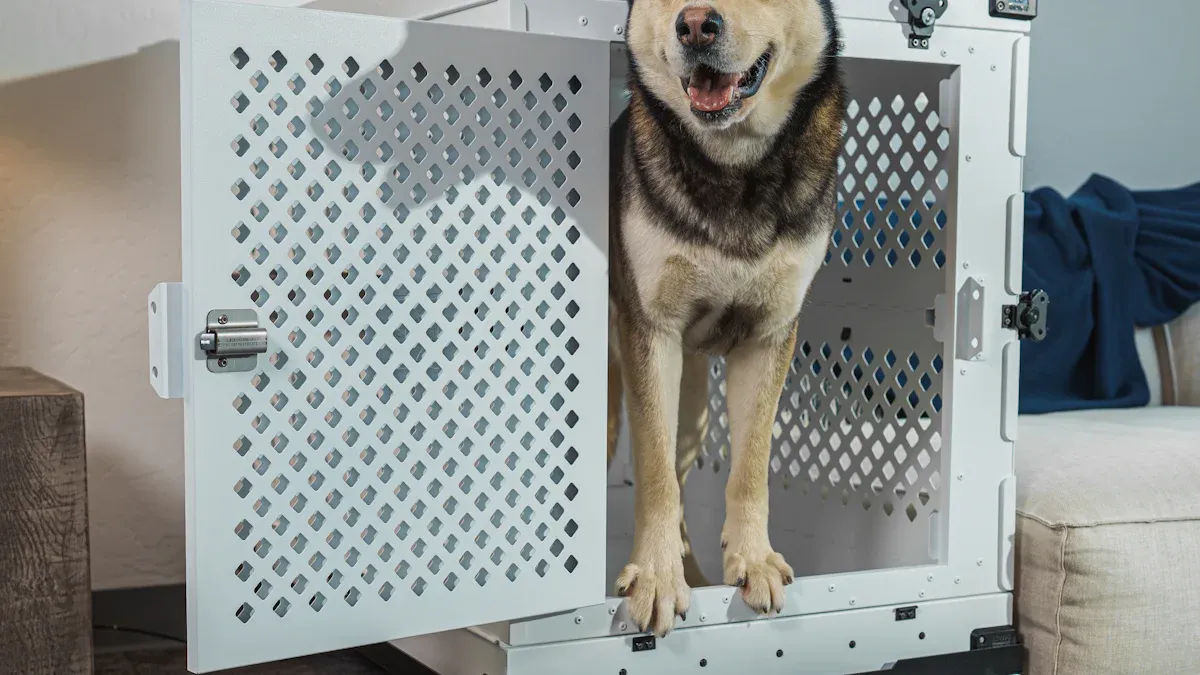
Every dog needs a cozy spot to feel safe and relaxed at home. Choosing the right indoor dog house helps a pet feel secure, especially during storms or when guests visit. Some dogs love a snug space like a collapsible dog crate, while others stretch out in a spacious foldable dog crate. Many pet owners also look for options that work well with indoor cat enclosures, creating a peaceful space for all their animals. The right choice can make a big difference in a pet’s happiness.
Key Takeaways
- Choose an indoor dog house that fits your dog’s size and needs to keep them comfortable and secure.
- Pick durable, easy-to-clean materials like plastic or metal for low maintenance and long-lasting use.
- Measure your dog carefully and select a house that allows them to stand, turn, and stretch without feeling cramped.
- Consider your home space and style by selecting dog houses that blend well and offer extra features like storage or insulation.
- Introduce the new dog house slowly with familiar items and positive rewards to help your dog feel safe and happy.
Why the Right Indoor Dog House Matters
Comfort and Security
Dogs love having a spot that feels like their own. An indoor dog house gives them a private space where they can relax and feel safe. Many dogs use these spaces to escape loud noises, busy rooms, or even just to nap. When a dog has a cozy place to rest, it often feels less anxious. Owners notice their pets settle down faster and seem happier. A soft bed or a covered crate can make a big difference in a dog’s daily comfort.
Health and Behavior Benefits
A good indoor dog house does more than offer comfort. It can help improve a dog’s health and behavior. Studies show that dogs with enriched indoor spaces learn faster and behave better. For example, one study compared dogs in standard shelters to those with special indoor resting areas. The dogs with better spaces showed big improvements in learning and calmness. They also acted more like pets in loving homes. Dogs with indoor resting spots used them most of the night and rarely lay on the bare floor. Aggressive or repetitive behaviors almost disappeared, showing that a safe indoor space supports good health and happy behavior.
| Facility/Condition | Usage of Indoor Resting Areas (%) | Time Period | Notes |
|---|---|---|---|
| Facility A (dog beds with bedding) | 83.1% – 95.6% | ~17 hours (mainly night) | High usage, dogs prefer beds over floor |
| Facility B (elevated plastic lying board) | 50.2% (24h), 75.4% (12h night) | 24 hours, especially night | One kennel avoided soiled board |
| Facility C (low lying boards) | 60.3% (24h), 79.8% (12h night) | 24 hours, especially night | Mostly used in company |
| Outdoor runs usage | 24.1% – 41.8% | Daytime (6-18 hrs) | Mainly for defecation |
Fit with Your Home
An indoor dog house should not only help your pet but also fit your living space. Many owners now choose designs that blend with their home style. Some dog houses double as side tables or storage, making them useful and attractive. Pet-friendly furniture uses stain-resistant materials and washable covers, so cleaning up is easy. Stylish rugs and baskets keep pet items neat and out of sight. These choices help keep a home looking good while making sure pets stay comfortable and safe. A well-chosen indoor dog house can match any décor and make both pets and people happy.
Key Factors When Choosing an Indoor Dog House
Materials: Durability, Comfort, Maintenance
Choosing the right material makes a big difference in how long a dog house lasts and how easy it is to keep clean. Many pet owners like plastic dog houses because they are tough, simple to wipe down, and often have features that fight bacteria and odors. Wooden dog houses look great and keep pets warm, but they need regular cleaning and care to prevent damage. Resin models stand out for being waterproof and easy to maintain, though some people say they feel light. Fabric and soft-sided options feel cozy but may need more frequent washing. The table below compares popular materials and their durability:
| Model Name | Material | Durability Rating (out of 5) | Maintenance Notes |
|---|---|---|---|
| Luckyermore Plastic Pet Puppy Kennel | Plastic | 4.4 | Durable, wear-resistant, easy to clean |
| OLizee Folding Indoor Outdoor House Tent | Oxford Cloth | 4.3 | Soft material, likely higher maintenance |
| Furhaven Pet Playpen | Polyester Cloth | 4.0 | Soft-sided, requires regular cleaning |
| K&H Pet Products Original Pet Cot House | Denier Fabric | 4.3 | Fabric material, moderate maintenance |
| Best Pet Supplies Portable Indoor Pet House | Plush Polyester Fabric | 4.2 | Soft fabric, maintenance depends on fabric |
Tip: Plastic and resin dog houses usually offer the best mix of durability and easy cleaning for busy families.
Size: Matching Dog and Space
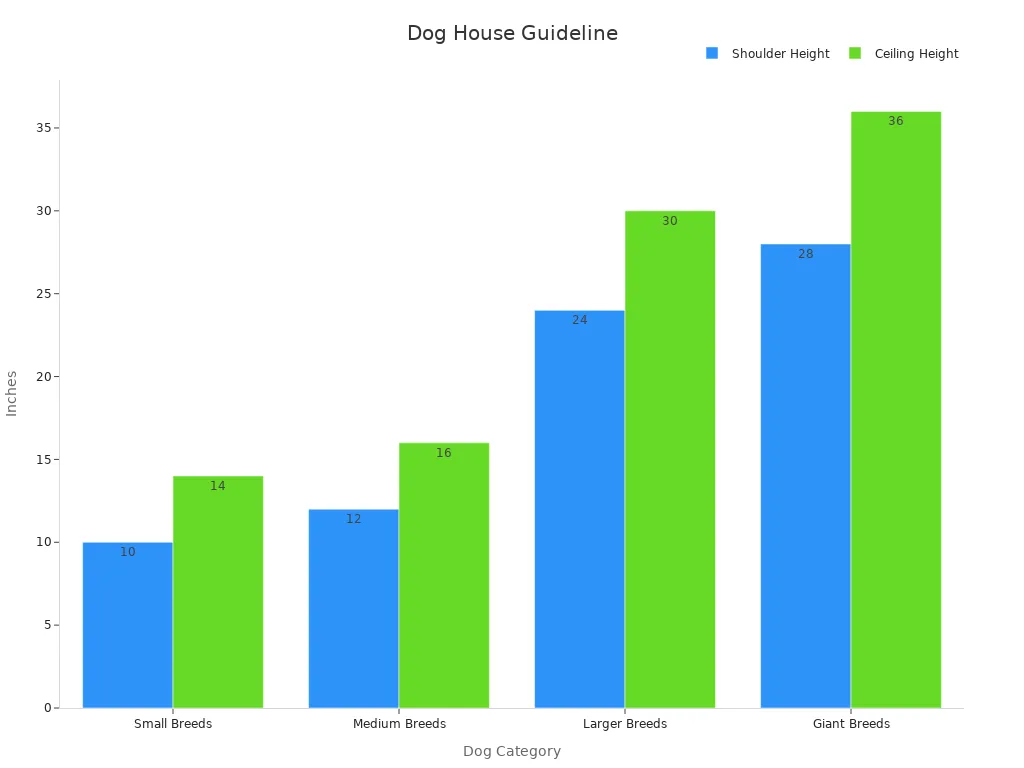
Getting the right size means a dog can move, turn, and rest comfortably. Owners should measure their dog using three steps: measure from the shoulder to the chest for door height, from nose to flank for width and depth, and from the top of the head to the toes for house height. The door should be at least three inches taller than the dog’s shoulder. The house should be wide and deep enough for the dog to stretch out, and the ceiling should be about one and a quarter times the dog’s height. This chart shows how dog size matches up with house size:
A puppy growth calculator can help predict how big a puppy will get, so the indoor dog house fits even when the dog grows up.
Price: Budget to Premium
Dog houses come in many price ranges. Budget-friendly models use plastic or simple fabric and work well for small dogs or short-term use. Mid-range options often have better insulation, stronger materials, and extra features like washable covers. Premium and designer models use high-quality wood, stylish designs, and sometimes double as furniture. These cost more but can last for years and look great in any room. Owners should think about how much they want to spend and what features matter most for their pet and home.
Indoor Dog House Materials Compared
Plastic Options
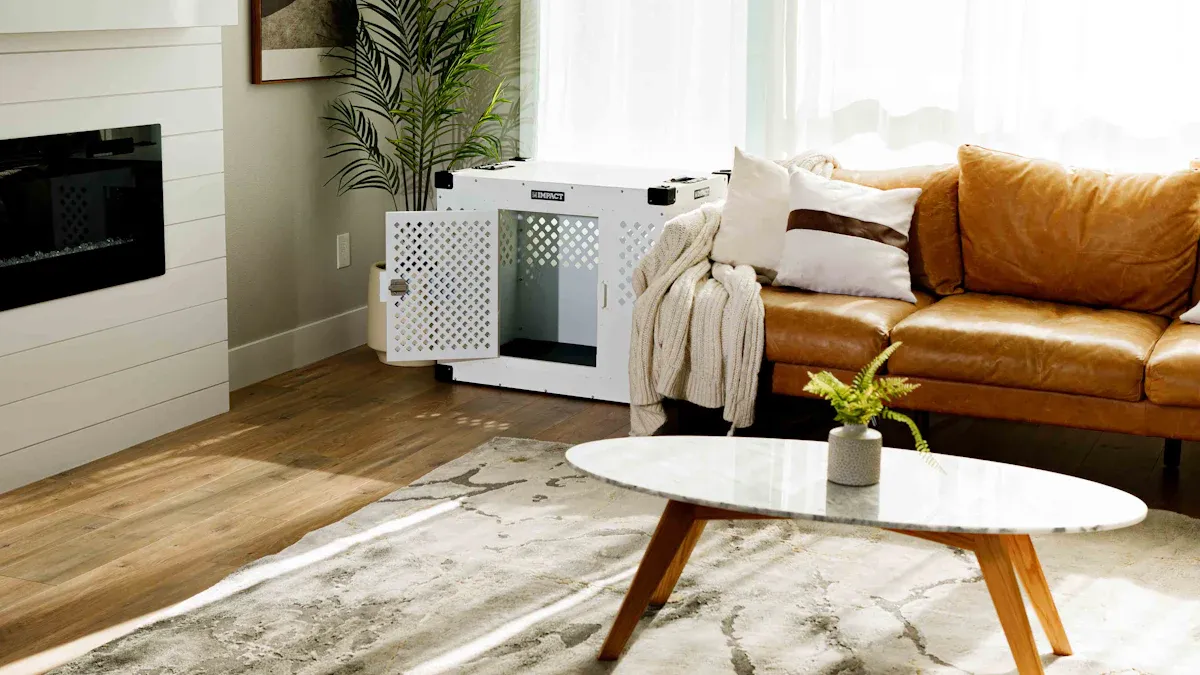
Plastic dog houses stand out for their toughness and easy care. Many pet owners like these because they can wipe them clean in minutes. Some models, like the K-9 Kondo Barrel Kit, use thick plastic barrels that resist chewing, rot, and insects. These houses last for years and rarely need repairs. People who use them say they save money over time because they do not have to replace them often. The K-9 Kondo also stays warm in winter and cool in summer, thanks to its special vents. Dogs seem to love the curved shape, which feels like a natural den. Police departments and animal shelters often choose plastic models for their strength and low cost.
- Lightweight and easy to move
- Chew-proof and weather-resistant
- Simple to clean with soap and water
Tip: Plastic options work well for busy families who want a low-maintenance indoor dog house.
Wooden Designs
Wooden dog houses bring a classic look to any room. They feel sturdy and keep pets warm. Many owners pick wood because it matches their home’s style. Wood breathes better than plastic, so air flows through and keeps the space fresh. Treated wood resists bugs and decay, making it last longer. People can paint or stain wood to fit their décor. Some wooden houses fold flat for storage or moving, which adds to their value.
- Warm and durable
- Matches home interiors
- Eco-friendly and safe for pets
| Feature | Plastic | Wood |
|---|---|---|
| Durability | Very High | High |
| Maintenance | Low | Moderate |
| Style | Simple/Modern | Classic/Custom |
| Insulation | Good (vented) | Excellent |
Fabric and Soft-Sided Choices
Fabric and soft-sided dog houses feel cozy and light. These work best for small dogs or puppies who like a soft bed. Owners can wash most fabric houses in the machine, which makes cleaning easy. Soft-sided models fold up for travel or storage. They come in many colors and shapes, so people can find one that fits their taste. However, these houses may not last as long as plastic or wood, especially if a dog likes to chew or scratch.
- Lightweight and portable
- Easy to wash
- Best for gentle or small pets
Metal and Wire Frame Models
Metal and wire frame dog houses stand out for their strength and security. Many pet owners choose these models for dogs that chew or try to escape. Heavy-duty steel or aluminum frames resist damage, even from the most determined pets. These houses often feature welded joints and reinforced corners, making them tough and long-lasting.
A quick look at the table below shows how metal models compare to wood and plastic options:
| Performance Metric | Metal (Heavy Duty Crates) | Wood/Plastic Alternatives |
|---|---|---|
| Material Strength | High (steel/aluminum) | Lower (prone to chew damage) |
| Durability | Excellent, corrosion-resistant | Moderate, needs maintenance |
| Weight | Steel: heavy; Aluminum: lighter | Wood: heavy; Plastic: light |
| Corrosion Resistance | Powder-coated, rust-resistant | Wood: moisture damage; Plastic: waterproof |
| Cleaning | Easy, removable trays | Wood: harder; Plastic: easy |
| Best For | Chewers, escape artists | Calm or small dogs |
Many metal models include removable trays and grated floors, which help keep the space clean. Owners find these features handy for quick cleanups. Metal houses also work well for dogs with strong jaws or those who need extra security. Some aluminum models fold flat, making them easy to store or move.
Tip: Choose a metal or wire frame house if your dog is a strong chewer or tends to break out of other types.
Composite and Fiberglass Houses
Composite and fiberglass dog houses offer a modern solution for pet owners who want durability and comfort. These materials combine the best features of wood and plastic. Composite houses, often made from wood fibers mixed with recycled plastic, resist rot, insects, and moisture. They do not splinter or contain harmful chemicals, so they are safe for pets.
Fiberglass houses provide excellent insulation and stand up to extreme weather. Many use foam or reflective insulation inside the walls to keep pets comfortable in both hot and cold climates. Owners like that these houses require little maintenance. The smooth surfaces wipe clean easily, and there is no need for painting or sealing.
- Composite houses resist decay and weather damage.
- Fiberglass models use advanced insulation for year-round comfort.
- Both types are lightweight and easy to move.
Some designs even use phase-change materials or multi-layer panels to adapt to changing temperatures. This keeps the inside cozy no matter the season. Composite and fiberglass houses work well for busy families who want a safe, low-maintenance option that lasts for years.
Sizing Your Indoor Dog House
Measuring Your Dog
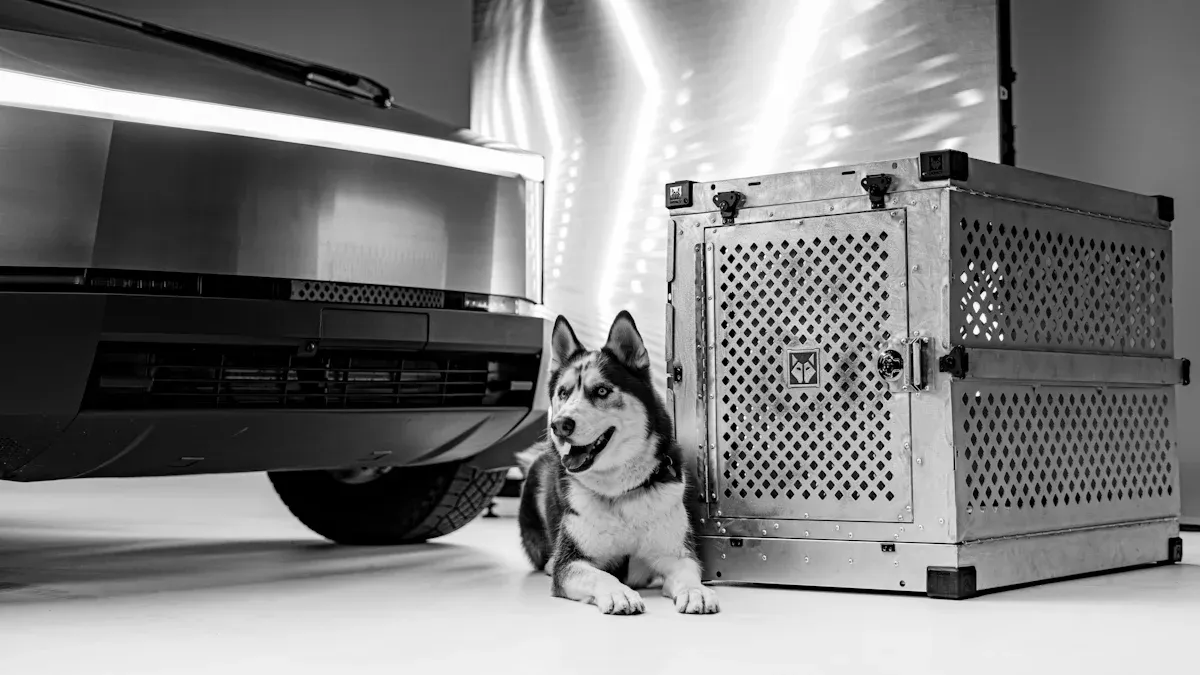
Getting the right size starts with measuring the dog. Owners should grab a tape measure and check three things: the height from the ground to the top of the dog’s shoulder, the length from the nose to the base of the tail, and the height from the head to the toes. The dog house should not be taller than three-fourths of the dog’s shoulder height. The width should be about 25% more than the dog’s length. This way, the dog can stand up, turn around, and stretch out without feeling cramped. A house that is too big may not keep the dog warm, while a small one feels tight.
Considering Home Space
Choosing the right spot for an Indoor Dog House helps both the pet and the family. Owners should look for a dry area with good airflow. Placing the house away from damp spots keeps it clean and comfortable. Here are some tips for planning the space:
- Measure the area where the dog house will go.
- Make sure the house fits without blocking walkways.
- Pick a spot with good ventilation but away from drafts.
- Avoid placing the house near heaters or direct sunlight.
- Choose materials like wood for better insulation if the room gets cold.
A raised floor or a small awning can help keep the space cozy and dry. Door placement also matters. A side door can block chilly winds and make the house feel safer.
Multi-Dog Households
Some families have more than one dog. In these homes, owners should think about each dog’s size and how well they get along. A shared dog house needs enough space for all pets to move and rest. Each dog should have room to stand and lie down without bumping into others. If the dogs like their own space, two smaller houses might work better than one big one. Owners can also look for modular designs that connect or separate as needed.
Tip: Watch how the dogs interact before picking a shared house. Some dogs love company, while others prefer their own spot.
Indoor Dog House Price Ranges
Budget-Friendly Picks
Many families want a cozy spot for their dog without spending a lot. Budget-friendly indoor dog houses usually cost between $40 and $90, with most people paying about $64. These models often use plastic or fabric, which keeps the price low and makes cleaning easy. Plastic houses give good ventilation and last a long time. Fabric houses feel soft and are easy to move from room to room. Some wooden options also fit this price range, offering a classic look and decent insulation.
- Plastic and fabric models are popular for their mix of comfort, style, and easy care.
- Many shoppers trust these choices because they can read reviews and compare products online.
- The rise of e-commerce helps buyers find reliable, affordable options that match their home’s style.
Note: Budget picks work well for puppies, small breeds, or anyone who wants a simple, functional Indoor Dog House.
Mid-Range Selections
Mid-range indoor dog houses cost a bit more but offer extra features. Prices often fall between $100 and $250. These models may use stronger wood, thicker plastic, or even a mix of materials. Owners often find better insulation, washable covers, and more stylish designs in this range. Some houses double as furniture, like end tables or benches, blending into the living room. Many mid-range options also come in larger sizes for big dogs or multi-pet homes.
A quick look at what mid-range models offer:
| Feature | Budget-Friendly | Mid-Range |
|---|---|---|
| Material Quality | Basic | Improved |
| Insulation | Minimal | Moderate |
| Design Options | Simple | Stylish |
| Extra Features | Few | Several |
Premium and Designer Models
Premium indoor dog houses stand out for their quality and advanced features. These models use high-end, eco-friendly materials that last for years. Some even include smart technology, like temperature sensors or automatic doors, to keep pets safe and comfortable. Owners can choose custom designs that match their home’s décor or add special touches for their pet’s needs. Recent innovations include better insulation and protection against extreme weather, making these houses a smart investment for many families.
The market for premium models keeps growing. Experts expect sales to rise from $0.71 billion in 2024 to $1.27 billion by 2033. This growth shows that more people want durable, stylish, and high-performance pet shelters. Many buyers look for features like multi-room layouts, eco-friendly materials, and strong after-sales support. These houses give pets privacy, comfort, and a sense of security, while also looking great in any home.
Features and Types for Different Needs
For Anxious or Nervous Dogs
Some dogs feel nervous during storms, fireworks, or when new people visit. They need a safe place to hide and relax. Owners often choose covered dog houses or crates with soft bedding for these pets. A covered top and solid sides help block out noise and light, making the space feel like a cozy den. Many anxious dogs calm down faster when they have a familiar spot with their favorite blanket or toy. Some models even come with calming scents or soundproofing features. Owners can add a soft mat or a piece of their clothing to help the dog feel secure.
Tip: Place the dog house in a quiet corner away from busy areas. This helps the dog feel safe and less stressed.
For Large Breeds
Large dogs need more room to stretch, turn, and rest. A kennel that matches their size supports comfort and natural behavior. For example, a kennel about 42 inches long, 27.5 inches wide, and 34.25 inches high fits dogs up to 20 inches tall and 30 inches long, weighing between 41 and 70 pounds. This size lets the dog move freely and feel secure. Owners should measure their dog from nose to tail and from sitting position to the top of the head. The kennel should be at least 4 inches taller than the dog. Heavy-duty materials work best for big or active dogs. Good ventilation keeps the space fresh and comfortable.
- Measure the dog’s length and height.
- Pick a kennel at least 4 inches taller than the dog.
- Use dividers for growing puppies.
- Choose strong, durable materials.
- Make sure the kennel has vents for air and light.
A well-sized kennel gives large dogs a safe place to rest, play, and feel at home.
For Small Spaces
Many families live in apartments or homes with limited space. They can still give their dog a special spot by using creative designs. Some owners turn closets, spaces under stairs, or empty nooks into built-in dog houses. Others pick furniture that doubles as a dog house, like benches or side tables. Placing the dog’s space in the kitchen or living room keeps the pet close to family activities. Pull-out drawers for food and water save even more space. Designers now create pet furniture that also works as storage or seating, using safe materials and smart layouts. These ideas help owners make the most of every inch while giving their dog a cozy, dedicated area.
- Use unused spaces like under cabinets or stairs.
- Pick dog houses that double as furniture.
- Add drawers for food and water.
- Choose non-toxic, pet-safe materials.
Note: Multifunctional designs keep homes tidy and pets happy, even in small apartments.
Easy-to-Clean and Low-Maintenance
Pet owners want a dog house that stays clean with little effort. Some materials make cleaning much easier than others. Plastic and metal models often lead the way. Owners can wipe them down with a damp cloth or spray them with a hose. Many plastic houses have smooth surfaces that do not trap dirt or hair. Metal crates usually come with removable trays. These trays slide out for quick cleaning, which saves time.
Fabric and soft-sided houses need more care. Most of these have covers that zip off. Owners can toss them in the washing machine. Still, fabric picks up hair and odors faster than plastic or metal. Wooden houses look nice but need regular checks. Owners should wipe spills right away and use pet-safe cleaners. Some wood models have sealed surfaces that resist stains.
Here is a quick table to compare cleaning needs:
| Material | Cleaning Method | Maintenance Level |
|---|---|---|
| Plastic | Wipe or hose down | Low |
| Metal | Remove tray, wipe | Low |
| Fabric | Machine wash cover | Moderate |
| Wood | Wipe, spot clean | Moderate |
Tip: Owners should check for hidden corners or seams where dirt can build up. Choosing a simple design helps keep cleaning easy.
Busy families often pick models with fewer parts and smooth edges. These features help prevent messes from sticking. Some houses even have waterproof liners or raised floors. These extras keep the inside dry and fresh. A low-maintenance dog house gives owners more time to enjoy with their pets.
Buying Guide for the Best Indoor Dog House
Assessing Your Dog’s Needs
Every dog has unique needs. Some dogs love to curl up in a small, cozy space, while others stretch out and need more room. Owners should start by looking at their dog’s size, age, and habits. Puppies may need a house that grows with them. Older dogs might want extra padding for their joints. Dogs that chew or scratch need tougher materials.
A good fit means the dog can stand up, turn around, and lie down comfortably. Owners should also think about where the house will go. Will it stay in one spot or move from room to room? Portable models work well for families who travel or move furniture often. Dogs that get anxious during storms or loud noises may feel better in a covered house with soft sides.
Tip: Watch how the dog acts at home. Does it hide under tables or stretch out in the sun? These habits help owners pick the right style and size.
Evaluating Quality and Reviews
Quality matters when choosing a dog house. Owners want something that lasts, feels safe, and keeps the dog comfortable. Many people check online reviews before buying. Reviews from other pet owners and experts give real-life feedback about how each model works. Some reviews focus on durability, while others talk about comfort or how easy it is to clean.
The table below shows how different models compare based on consumer reviews and expert opinions:
| Indoor Dog House Model | Rating Basis | Price | Key Features | Pros | Cons |
|---|---|---|---|---|---|
| LUCKYERMORE Dog House Plastic Pet Puppy Kennel | Vet’s top pick based on customer reviews and durability | $121.99 | Durable plastic, secure gate | Durable, comfortable, secure | None explicitly stated |
| OLizee Folding Indoor Outdoor House Bed Tent | Best budget option, consumer feedback on portability and size | $17.98 | Foldable, mesh windows, portable | Ultra-portable, machine washable, 2 sizes | Soft material, runs small, easy to chew |
| Furhaven Pet Playpen | Best soft-sided, consumer feedback on ventilation and portability | $24.79 | Mesh walls and ceiling, zippered door | Multiple colors and sizes, ultra-portable | Spot-wash only, not escape-proof |
| K&H Pet Products Original Pet Cot House | Best for large dogs, consumer feedback on durability and comfort | $53.99 | Elevated cot, heavy-duty fabric canopy | Durable, 200 lb capacity, easy to clean | No door, not chew-proof |
| Best Pet Supplies Portable Indoor Pet House | Best for small dogs, consumer feedback on comfort and washability | $29.99 | Plush design, removable pillow, washable | Multiple sizes, plush comfort, removable pillow | No gate or door, pets chew interior pole |
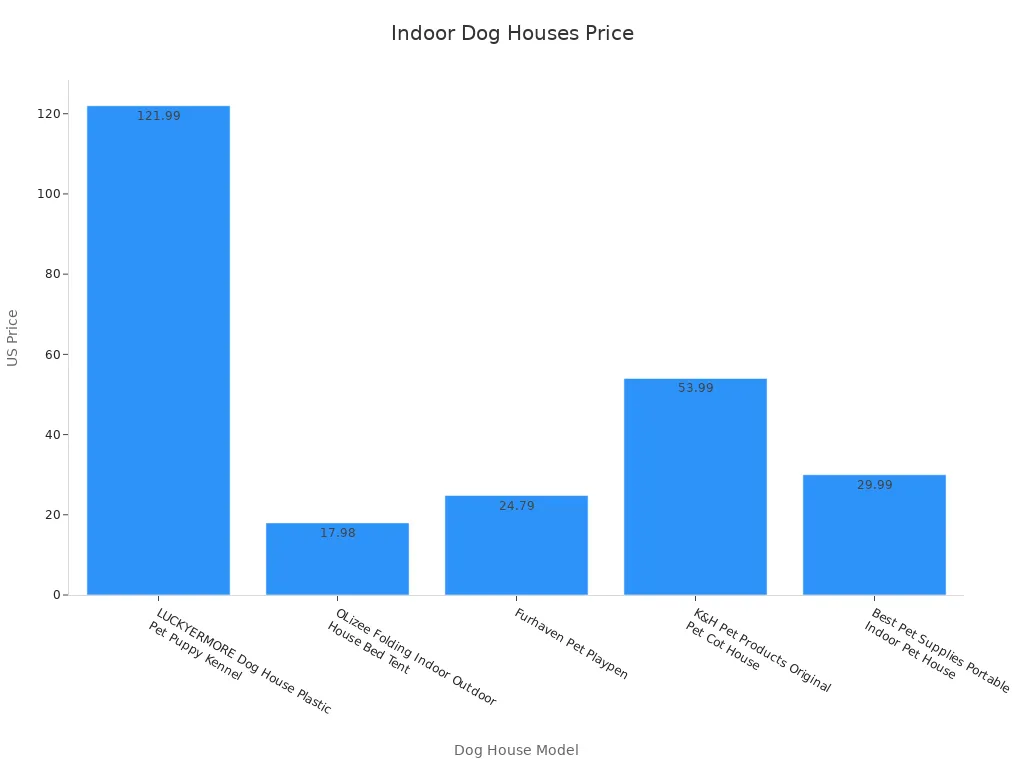
A veterinarian’s buying guide suggests looking for features like proper size, good ventilation, and chew-proof materials. Owners should also check if the house has a secure gate or door to prevent escapes. Style matters too, especially if the house will be in a main living area.
Balancing Cost and Value
Price plays a big role in the decision. Some dog houses cost less but may not last as long. Others cost more but offer better quality and features. Owners should think about what matters most for their dog and home.
- Wooden dog houses give natural insulation. They help keep the temperature comfortable all year. This can save money on heating or cooling.
- Wood is safe and non-toxic. It helps keep indoor air clean, which is important for pets and people.
- Many wooden models can be customized. Owners can match the house to their home’s style or their dog’s needs.
- Durable materials and nice designs add value. A strong, good-looking house may cost more at first but saves money over time.
A cost-benefit approach helps owners make smart choices. Spending a little more on a sturdy, easy-to-clean house often means fewer replacements and repairs. Owners should look at both the price and the long-term benefits.
Note: A well-chosen dog house supports comfort, safety, and style. Owners who balance cost and value find the best fit for their pet and home.
Tips for a Smooth Transition
Bringing a new dog house into the home can feel exciting for both pets and owners. Some dogs jump right in and claim their new spot. Others need a little help to feel comfortable. A smooth transition helps dogs see their new house as a safe and happy place.
1. Introduce the Dog House Gradually
Dogs like to explore at their own pace. Place the new house in a quiet area where the dog already feels safe. Leave the door open and let the dog sniff around. Owners can toss a favorite toy or treat inside to spark curiosity. Some dogs walk in right away. Others need a few days to get used to the new smell and shape.
2. Make It Familiar and Cozy
Adding familiar items helps the dog relax. Owners can put the dog’s blanket, pillow, or a piece of their clothing inside. These scents remind the dog of home. Soft bedding makes the space warm and inviting. Some people use a favorite chew toy or a treat puzzle to make the house even more fun.
3. Use Positive Reinforcement
Praise and rewards work wonders. When the dog steps inside, owners should offer gentle praise or a small treat. Dogs learn that the house means good things. If the dog seems nervous, owners can sit nearby and speak in a calm voice. Short, happy visits build trust.
4. Keep a Routine
Dogs love routines. Owners can encourage the dog to use the house at the same times each day. For example, after a walk or before bedtime, guide the dog to the new space. Consistent routines help the dog feel safe and know what to expect.
5. Avoid Forcing the Dog
Never push or drag the dog into the house. This can make the dog afraid of the new space. Patience pays off. Most dogs warm up to their new house with time and gentle encouragement.
6. Monitor and Adjust
Watch how the dog acts in the first week. Some dogs settle in quickly. Others need more time. If the dog avoids the house, try moving it to a quieter spot or adding more familiar items. Owners should check for drafts, loud noises, or anything that might bother the dog.
Tip: If the dog seems anxious, try covering part of the house with a light blanket. This creates a den-like feeling and blocks out extra light or noise.
7. Keep It Clean and Inviting
A clean house feels better for everyone. Owners should wash bedding and wipe down surfaces often. Fresh-smelling spaces encourage dogs to use their new spot. If the dog has an accident, clean it up right away to keep the area pleasant.
Transition Table: What Helps and What to Avoid
| Do This | Avoid This |
|---|---|
| Introduce slowly | Forcing the dog inside |
| Add familiar bedding/toys | Ignoring signs of stress |
| Use treats and praise | Yelling or scolding |
| Keep a daily routine | Moving the house too often |
| Clean regularly | Letting odors build up |
Every dog is different. Some need extra time and comfort. Others settle in overnight. Owners who stay patient and positive help their dogs feel at home in their new space.
Choosing the right Indoor Dog House can make a big difference for any pet. Every dog has its own needs. Some want a quiet spot, while others need more space. Owners should look at materials, size, and price before buying. A good fit helps dogs feel safe and happy at home. When owners take time to pick the best option, everyone in the house benefits.
FAQ
How often should someone clean an indoor dog house?
Most owners clean the dog house once a week. They wash bedding and wipe down surfaces. If the dog sheds a lot or has accidents, they clean more often. Clean spaces help dogs stay healthy and happy.
What size dog house works best for a puppy?
A puppy needs a house with enough space to stand, turn, and stretch out. Many owners pick a house that fits the puppy’s adult size. Some use dividers to adjust the space as the puppy grows.
Can a dog house help with separation anxiety?
Yes! Many dogs feel safer in a cozy, covered space. A familiar dog house gives comfort when owners leave. Adding a favorite toy or blanket helps the dog relax and feel less alone.
Are indoor dog houses safe for chewers?
Some dogs chew everything. Owners pick houses made from tough plastic or metal for these pets. Soft-sided or fabric houses do not last long with heavy chewers. Always check for loose parts or damage.
Where should someone place an indoor dog house?
The best spot is quiet and away from drafts. Many owners put the house in a corner of the living room or bedroom. Dogs like to see their family but also need a peaceful place to rest.
Post time: Jun-14-2025